Wondering whether Scarborough checks the right boxes for a Maine second home? If you want coastal access, an easy connection to Portland, and a town that feels active beyond peak summer, Scarborough deserves a close look. At the same time, it is not the right fit for every buyer, especially if you want the lowest entry price or simple short-term rental rules. Let’s break down what makes Scarborough appealing, what ownership looks like today, and how to decide if it matches your goals.
Why Scarborough draws second-home buyers
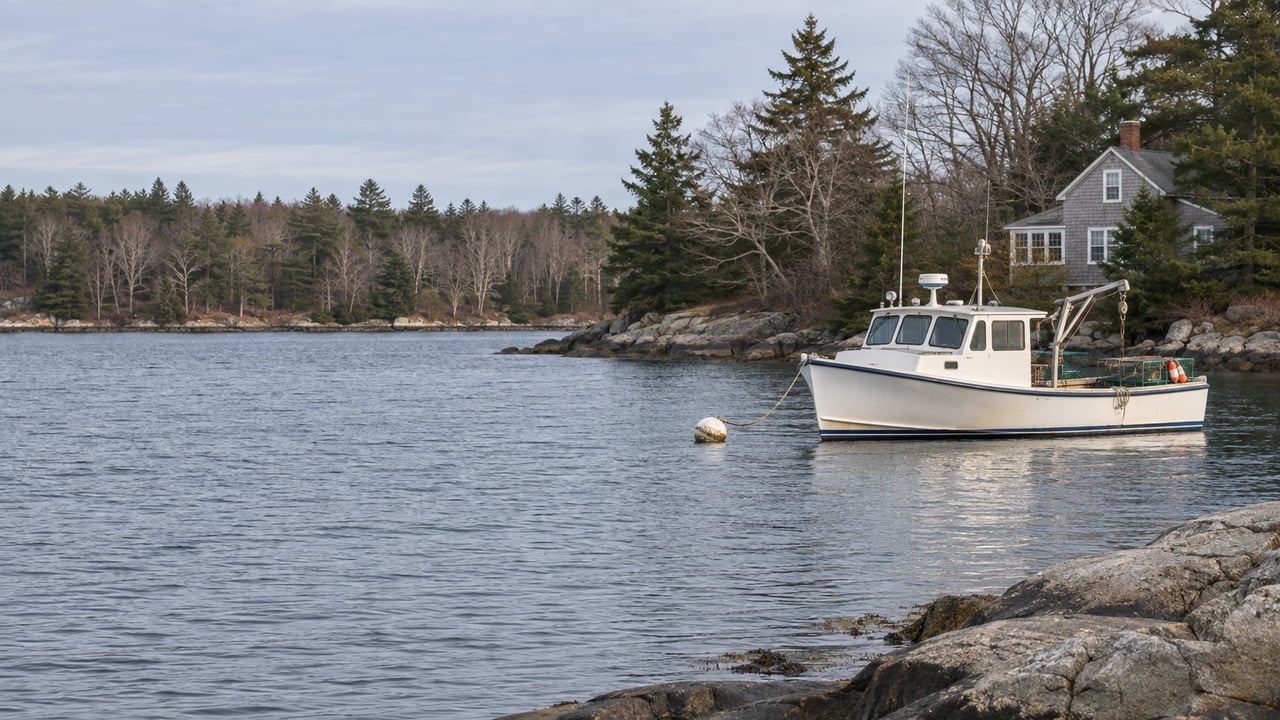
Scarborough sits about 7 miles south of Portland, which gives you a practical mix of coast and convenience. You can enjoy beaches, trails, marsh views, and outdoor space while still staying connected to the services and amenities of Greater Portland. That balance is a big reason many buyers put Scarborough on their shortlist.
This is also not just a seasonal beach destination. Scarborough has more than 24,000 residents, a 77.4% owner-occupied housing rate, and a strong year-round base. For a second-home buyer, that often means you are buying into an established community rather than a town built mainly around peak summer tourism.
The town spans more than 50 square miles and includes thirteen neighborhood areas. That size matters because Scarborough offers more than one kind of second-home experience. Some areas feel more beach-oriented, while others offer a more residential setting with easier access to shopping, commuting routes, and newer development.
Scarborough lifestyle at a glance
For many buyers, the lifestyle is the main draw. Scarborough offers access to four beaches in total, including three town-maintained beaches, Pine Point/Hurd Park, Ferry Beach, and Higgins Beach, plus Scarborough Beach State Park. If your idea of a second home includes morning beach walks, summer evenings near the water, and quick access to nature, Scarborough has real appeal.
Beyond the shoreline, the town maintains an extensive trail system. Scarborough Marsh is also central to the local landscape and identity. It is a 3,200-acre state-owned wildlife management area that supports birding, helps filter water, and plays a role in easing flooding.
That natural setting is not just scenic. It also shapes how the town plans for growth and land use. Scarborough’s planning materials emphasize protecting the marsh, beaches, dunes, rivers, and other natural resources, which can matter if you value long-term stewardship of the coast.
What a second home costs in Scarborough
Scarborough is generally a higher-priced coastal market than many inland Maine towns. Census data report a median value of owner-occupied homes at $551,900. More current market snapshots show higher active pricing, with Zillow’s March 2026 data placing typical home value at $681,371 and median list price at $767,800, while Realtor.com reported a median listing price of $738,000.
A practical takeaway is this: long-held owner-occupied homes reflect a mid-$500,000s median value in census data, but current listings often sit in the high $700,000s depending on the property and data source. If you are shopping for a Scarborough second home today, you should be prepared for coastal pricing that reflects both demand and limited supply.
Inventory has also been fairly tight. Zillow showed 47 homes for sale with a median days-to-pending of 21 days, while Realtor.com showed 52 homes for sale and a median days on market of 37. Homes were selling at roughly asking price on average, which suggests buyers still need to be ready when the right property appears.
What types of properties you’ll find
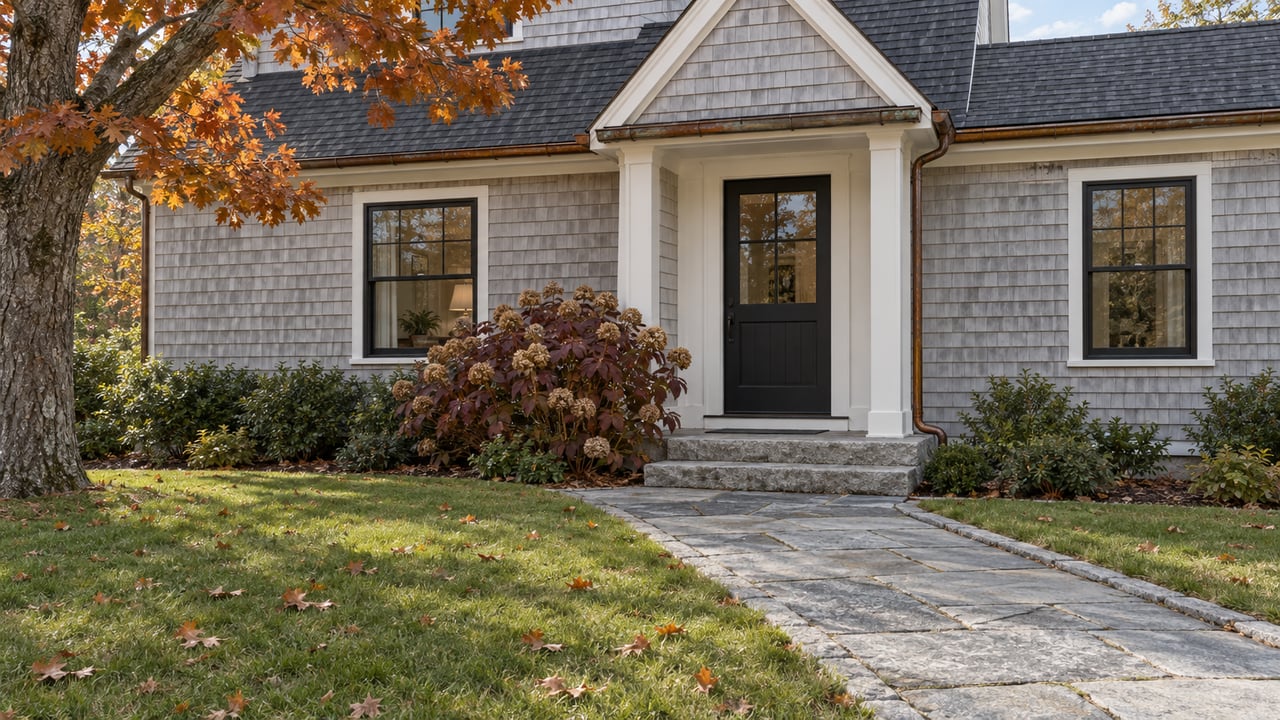
Detached homes remain a core part of Scarborough’s housing stock. That makes the town appealing if you are looking for a standalone property with more privacy, outdoor space, or a traditional coastal-home feel. In some of the beach-oriented pockets, you will also find classic cottage-style homes that attract second-home buyers.
At the same time, Scarborough is not standing still. The town notes that recent construction has expanded housing choices, including multi-family options. The Downs, a 525-acre project in the center of town, is intended to create a downtown area and adds another layer to Scarborough’s housing mix.
Accessory dwelling units are also permitted anywhere residential uses are allowed. These can be internal, attached, or detached from the principal structure. That may be worth noting if you are exploring flexible long-term use, guest space, or multigenerational ownership possibilities.
Which Scarborough areas feel most second-home friendly?
If beach access is your top priority, the coastal sections are the most obvious starting point. The town’s draft short-term-rental zoning refers to a proposed Coastal Beach Zone that includes Pine Point, Prouts Neck, Ferry Beach, Higgins, and Spurwink Road. These are the areas most closely associated with a classic vacation-home feel.
Higgins Beach, in particular, is known for classic New England cottages. Buyers who picture a second home close to the sand often focus on areas like Higgins or Pine Point first. That said, the best fit depends on whether you want a stronger beach identity or a more residential, year-round setting.
Other parts of Scarborough may appeal if you want easier everyday living and less of a seasonal atmosphere. Because the town is large and varied, it can suit buyers who want coastal proximity without feeling like they are in a purely vacation-oriented pocket.
Short-term rentals are still a moving target
If rental income is part of your plan, this is one of the most important parts of your decision. As of April 6, 2026, Scarborough was still considering a short-term rental ordinance, and draft zoning changes had moved to public hearing. In plain terms, the rules are not fully settled yet.
The current draft distinguishes between owner-occupied and non-owner-occupied rentals, requires registration, and generally keeps non-owner-occupied short-term rentals out of residential districts except in the proposed Coastal Beach Zone and some mixed-use or commercial areas. That means rental potential may exist, but it should be treated as conditional until the town completes its process.
For buyers, the lesson is simple. If you need predictable short-term rental use to make the numbers work, Scarborough may require extra caution right now. If your main goal is personal use with rental flexibility as a bonus, the town may still be a strong option depending on the property and location.
What beach access means for owners and guests
Beach access in Scarborough is a real benefit, but it comes with seasonal rules that shape the ownership experience. The 2026 beach season runs from May 22 through September 7. Resident season passes cost $40, while nonresident passes cost $200 and are capped at 350.
That cap matters because the town reported that the 2026 nonresident pass sold out on April 30. Town beach passes cover the three town-operated beaches only, and Scarborough Beach State Park is separate. If you are thinking about guest use, summer routines, or occasional rental guests, these details are important to understand early.
This is one reason Scarborough works best for buyers who want to plan ahead and understand the rhythm of the season. It can be a wonderful summer-use market, but it is not a completely friction-free vacation setup.
The tradeoffs to weigh before buying
Every coastal market comes with tradeoffs, and Scarborough is no exception. The same beaches, marsh, and Portland access that make it appealing also bring summer congestion, parking limits, and ongoing discussions about growth and land use. If you prefer a very quiet or highly compact coastal setting, that may affect how Scarborough feels to you.
Infrastructure is also part of the picture. The Route 1 crossing over the marsh is prone to flooding during storm surges, and the town and MaineDOT are studying a temporary lane closure in summer 2026 as part of a future resiliency redesign. That does not cancel out Scarborough’s appeal, but it does show why local knowledge matters when you evaluate access and long-term ownership.
Cost is another consideration. Scarborough is usually a better fit for buyers who prioritize convenience, beach access, and year-round services over finding the lowest coastal entry price.
Who Scarborough fits best
Scarborough is often a strong match if you want a second home that gives you both coast and convenience. You may be a good fit if you want quick access to Portland, enjoy beaches and trails, and prefer a town with an established year-round population and services. It can also appeal if you are open to a range of property types, from classic coastal homes to newer housing options.
It may be a weaker fit if you want a compact village feel, a lower-priced coastal market, or fully settled short-term rental rules. Those factors do not make Scarborough a poor choice. They simply mean your goals need to line up with what the town actually offers.
How to decide if Scarborough is right for you
A second home purchase works best when it matches the way you plan to use it. Start by asking yourself a few practical questions:
- Do you want regular access to Portland as part of your routine?
- Is beach time a top priority, or just a nice bonus?
- Would you use the home mostly in summer, or year-round?
- Do you need short-term rental income, or is that optional?
- Are you comfortable with a competitive market and higher coastal pricing?
If your answers point toward convenience, nature, and a more established coastal community, Scarborough may be a very smart place to focus. If you want help weighing Scarborough against other Coastal Maine options, McFarlane Field Associates can help you compare towns, understand current inventory, and find the right fit for how you want to live.
FAQs
What does a second home in Scarborough cost right now?
- Recent market snapshots placed Scarborough’s typical home value around $681,371, with median listing prices reported between $738,000 and $767,800, depending on the source.
Are short-term rentals allowed for Scarborough second homes?
- Scarborough was still considering a short-term rental ordinance as of April 2026, so rules should be treated as unsettled until the town completes the process.
Which Scarborough areas feel most beach-oriented for second-home buyers?
- Coastal areas such as Pine Point, Prouts Neck, Ferry Beach, Higgins, and Spurwink Road are the most closely tied to a beach-home lifestyle.
What beach pass rules apply in Scarborough for owners and guests?
- For the 2026 season, resident passes cost $40, nonresident passes cost $200, nonresident passes were capped at 350, and passes covered the three town-operated beaches only.
Is Scarborough a good Maine second-home town for year-round use?
- Scarborough can be a strong year-round option because it has an established residential base, access to services, and close proximity to Portland.
How does Scarborough compare with a smaller coastal town in Maine?
- Scarborough generally offers more year-round services and Portland access, but it may feel less compact and come with higher pricing and more seasonal traffic than some smaller coastal towns.