Trying to choose between North Yarmouth and Cumberland for your next home? It is a smart comparison, because these two neighboring towns share a lot on paper but can feel quite different once you look at daily life, housing, taxes, and market pace. If you want a clearer sense of which town fits your priorities, this guide will walk you through the biggest differences and the practical tradeoffs. Let’s dive in.
North Yarmouth vs Cumberland at a glance
North Yarmouth and Cumberland are closely connected communities in Greater Portland. Both are served by MSAD #51, and students in both towns attend the same district, including Greely High School.
That shared school access matters because it shifts the decision away from school boundaries and more toward lifestyle, setting, and housing choices. In other words, this comparison is usually less about one town being “better” and more about which one feels more like home to you.
Town character feels different
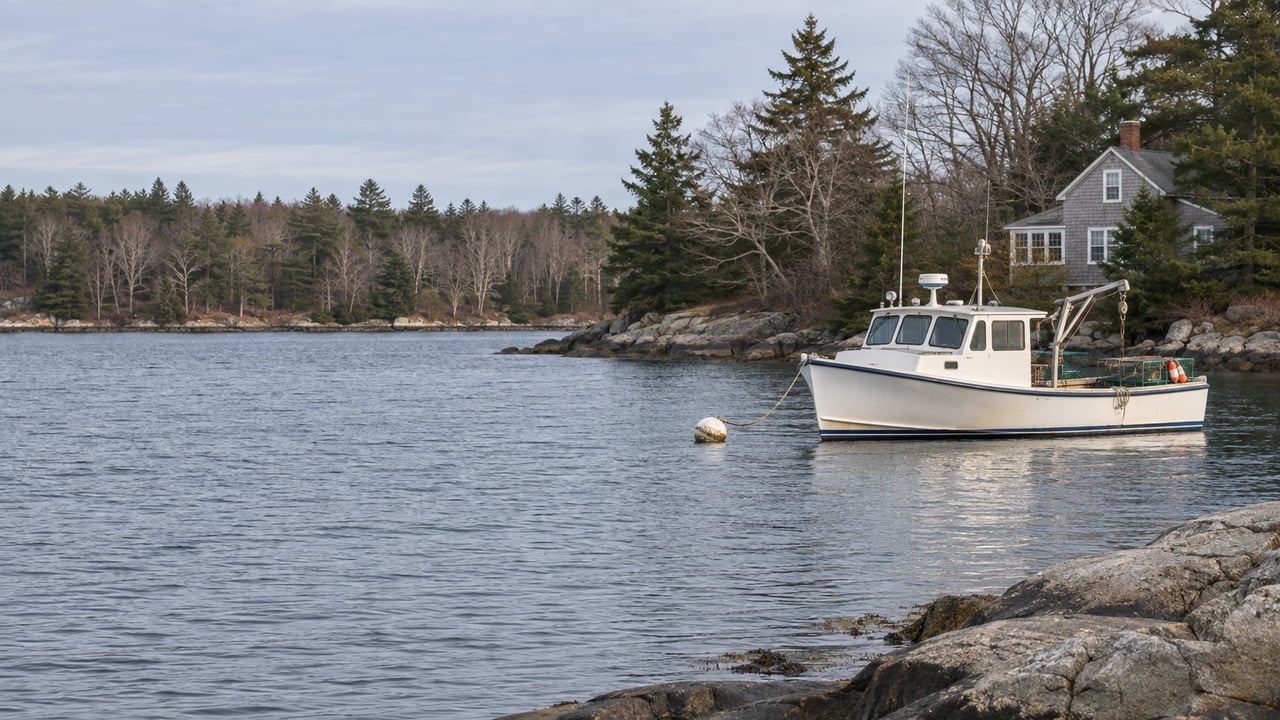
North Yarmouth offers a more rural setting
North Yarmouth describes itself as a small rural town north of Portland, with a strong emphasis on open space, trails, farms, and a traditional village-center pattern. The town has more than 4,000 residents across 21.22 square miles, which supports that lower-density feel.
If you want room to spread out and a quieter pace, North Yarmouth may feel like the stronger match. It tends to appeal to buyers who want a country feel while staying connected to the Greater Portland area.
Cumberland has more subarea variety
Cumberland is larger in population, with roughly 8,400 residents, and the town identifies three distinct areas: Cumberland Center, Cumberland Foreside, and West Cumberland. Officially, it is about 11 miles northeast of Portland, which gives buyers a more concrete reference point for location.
That variety can make Cumberland feel a bit more layered. Depending on where you look, you may find a more center-based setting, a Foreside location along Route 1, or a more inland feel in West Cumberland.
Housing stock is similar, but not identical
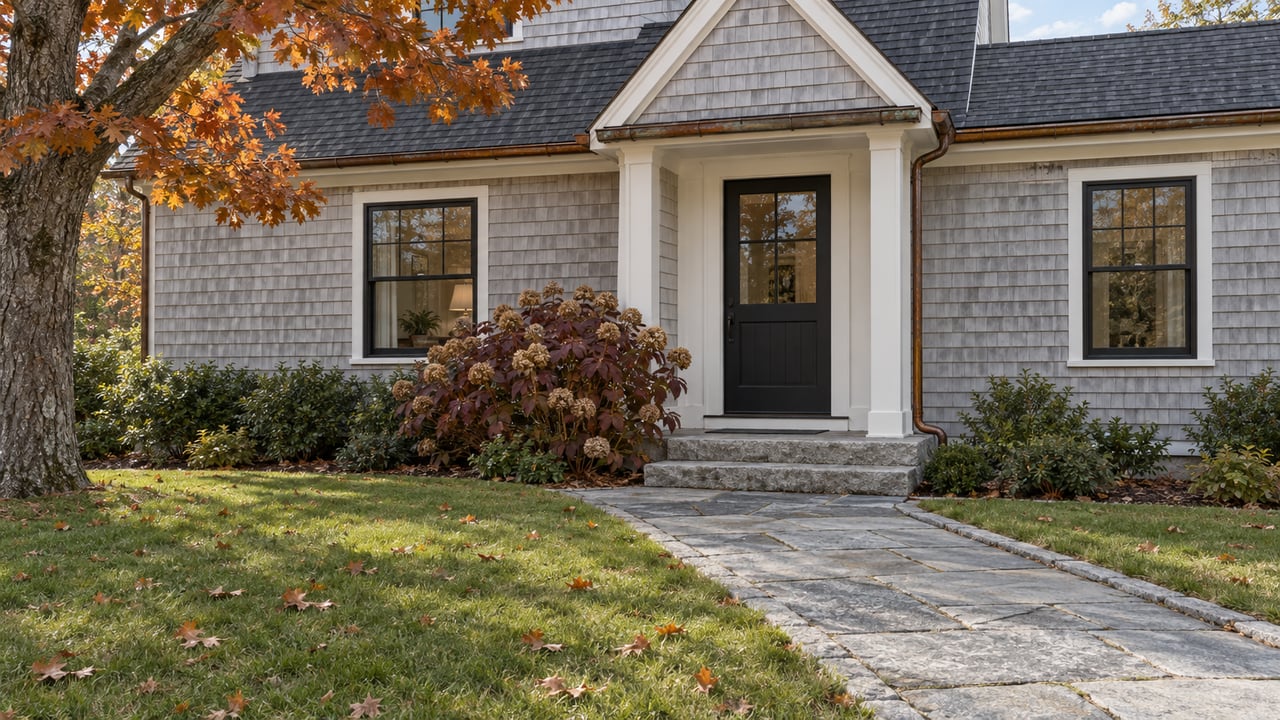
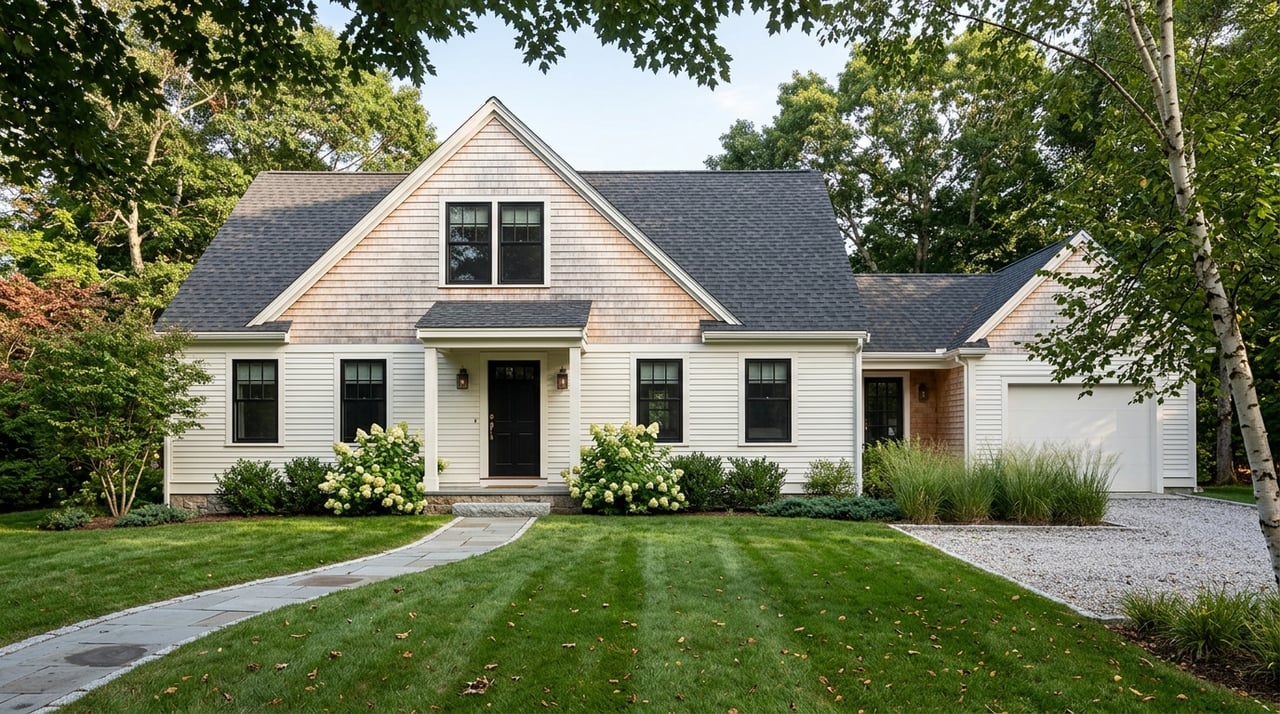
Both towns lean heavily single-family
If you are shopping for a detached home, both towns line up well with that goal. North Yarmouth’s 2018 comprehensive plan says about 94% of housing units were single-family detached, while Cumberland planning materials also describe the town as overwhelmingly single-family.
That means the broad housing pattern is similar in both places. In each town, you are mostly choosing among detached homes rather than a wide mix of housing types.
North Yarmouth feels lower-density
North Yarmouth’s housing profile supports its rural identity. The town’s planning documents note high occupancy, strong owner-occupancy, and relatively little seasonal housing, which adds to its full-time residential feel.
For buyers, that often translates to a quieter market with fewer options at any given time. It can feel more limited, but that is also part of the appeal for people who want a town with a strong open-space character.
Cumberland offers more location variety
Cumberland still skews heavily toward single-family homes, but it offers more variety by subarea. The overall feel can be a little more developed around Cumberland Center, the Foreside, and West Cumberland than what many buyers expect in North Yarmouth.
That does not mean urban or dense. It simply means you may have more ways to match location preference, commute pattern, and neighborhood feel within Cumberland itself.
Schools are mostly a shared baseline
MSAD #51 serves both towns
For many buyers, schools are one of the first things they compare. In this case, North Yarmouth and Cumberland are both part of MSAD #51, which has served the two communities since 1966.
The district includes Mabel I. Wilson, Greely Middle School, and Greely High School. Greely High also highlights Advanced Placement and International Baccalaureate programming.
What that means for your decision
Because school access is shared, schools are not the clearest separator between these towns. Your decision is more likely to come down to taxes, commute preference, market conditions, and the kind of setting you want around your home.
That can actually simplify your search. Instead of chasing a perceived district advantage between the two, you can focus on the daily lifestyle fit.
Taxes are one of the clearest differences
North Yarmouth currently posts the lower tax rate
On the official FY2026 postings, North Yarmouth’s tax rate is $20.71 per $1,000 of assessed value, with a $16,500 homestead exemption. Cumberland’s FY2026 recommended rate is $25.18 per $1,000 of assessed value, with a $14,250 homestead exemption.
Based on those posted mill rates, Cumberland is about 22% higher than North Yarmouth. That is one of the most concrete side-by-side differences in this comparison.
Your actual bill still depends on the property
Even with that difference, your final property tax bill depends on the assessed value, any exemptions you qualify for, and the town’s valuation process. Two homes at different price points can change the practical impact.
Still, if taxes are a major part of your decision, North Yarmouth has the clearer edge based on current posted rates. It is worth factoring that into your monthly budget alongside purchase price and inventory.
Commute and access may favor Cumberland
Cumberland is the clearer closer-in option
Cumberland’s official town description places it 11 miles northeast of Portland. North Yarmouth describes itself as a small rural town north of Portland, and notes that many residents work in the greater Portland area.
Both towns function as commuter markets, but Cumberland reads as the more clearly closer-in option. If regular access to Portland is high on your list, that may give Cumberland an advantage.
North Yarmouth may suit buyers prioritizing space
If your priority is not shaving off every possible minute of drive time, North Yarmouth may still be the better fit. Buyers often accept a more rural setting and thinner market in exchange for open land, trails, and a quieter overall feel.
This is where the decision becomes personal. A shorter commute matters to some buyers, while others care more about the setting they return to every day.
Market conditions show different buyer experiences
North Yarmouth is the tighter market
Recent market snapshots suggest North Yarmouth is the tighter market. Realtor.com shows a median listing home price of $762,000, 11 active listings, and 40 median days on market, while Zillow’s home value index places average home value at $691,792.
Because inventory is so thin, portal data can swing more from one update to the next. That small sample size can make North Yarmouth feel less predictable when you are trying to time a purchase.
Cumberland has more active inventory
Cumberland’s recent snapshot shows a median listing price of $670,000, 20 active listings, 33 median days on market, and a 99% sale-to-list ratio. Compared with North Yarmouth, that points to somewhat more inventory and a lower median listing price.
For buyers, that can mean more choices and a little more flexibility. It does not automatically mean easy shopping, but it may give you more opportunities to compare homes in real time.
Which town fits your priorities best?
Choose North Yarmouth if you want:
- A more rural, open-space-oriented setting
- A lower posted FY2026 tax rate
- A lower-density housing pattern
- A smaller, tighter market with fewer listings
- A town identity centered on trails, farms, and quiet residential character
Choose Cumberland if you want:
- A location with a clearer Portland proximity
- More active inventory at a given time
- A somewhat lower median listing price in recent snapshots
- More variety across different town areas
- A slightly more developed feel in key parts of town
A final thought on the decision
North Yarmouth and Cumberland are less of a true rivalry and more of a lifestyle fork in the road. Since the two towns share schools, recreation connections, and even Prince Memorial Library, the real question is how you want your home environment to feel day to day.
If you want more space, a rural setting, and lower posted taxes, North Yarmouth may be the better fit. If you want more inventory, a clearer Portland reference point, and more variety within the town itself, Cumberland may make more sense.
If you are weighing North Yarmouth against Cumberland and want help narrowing the options, McFarlane Field Associates can help you compare homes, timing, and neighborhood fit with clear, local guidance.
FAQs
Are schools different in North Yarmouth and Cumberland?
- Not much. Both towns are served by MSAD #51, including Greely High School, so school access is mostly a shared baseline rather than a major difference.
Which town feels more rural, North Yarmouth or Cumberland?
- North Yarmouth generally feels more rural based on the town’s emphasis on open space, trails, farms, and a lower-density pattern.
Which town has lower property taxes, North Yarmouth or Cumberland?
- Based on official FY2026 postings, North Yarmouth has the lower tax rate at $20.71 per $1,000 of assessed value compared with Cumberland’s $25.18.
Which town is closer to Portland, North Yarmouth or Cumberland?
- Cumberland is the clearer closer-in option, with the town officially describing itself as 11 miles northeast of Portland.
Which housing market is tighter, North Yarmouth or Cumberland?
- North Yarmouth appears tighter, with fewer active listings in recent market snapshots, which can make available inventory feel more limited.
Is Cumberland or North Yarmouth better for single-family homes?
- Both towns are strong options if you are looking for a single-family home, since each has a housing stock that is overwhelmingly detached and owner-occupied.