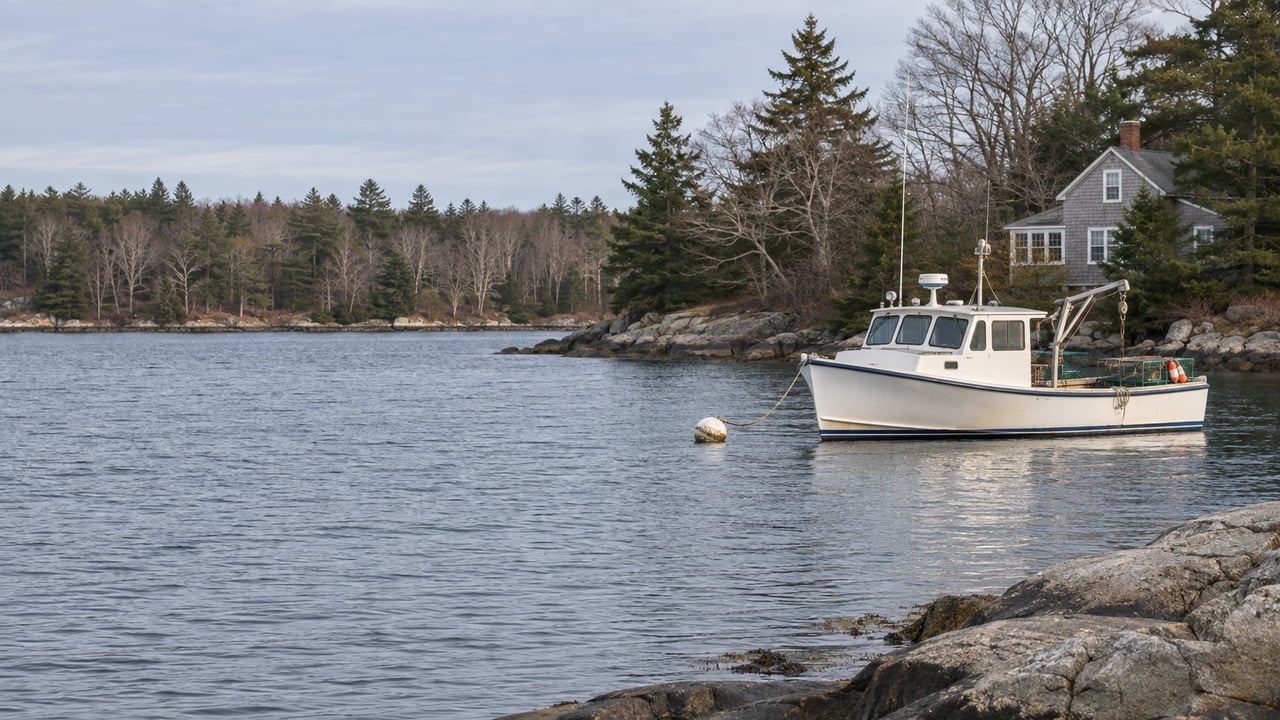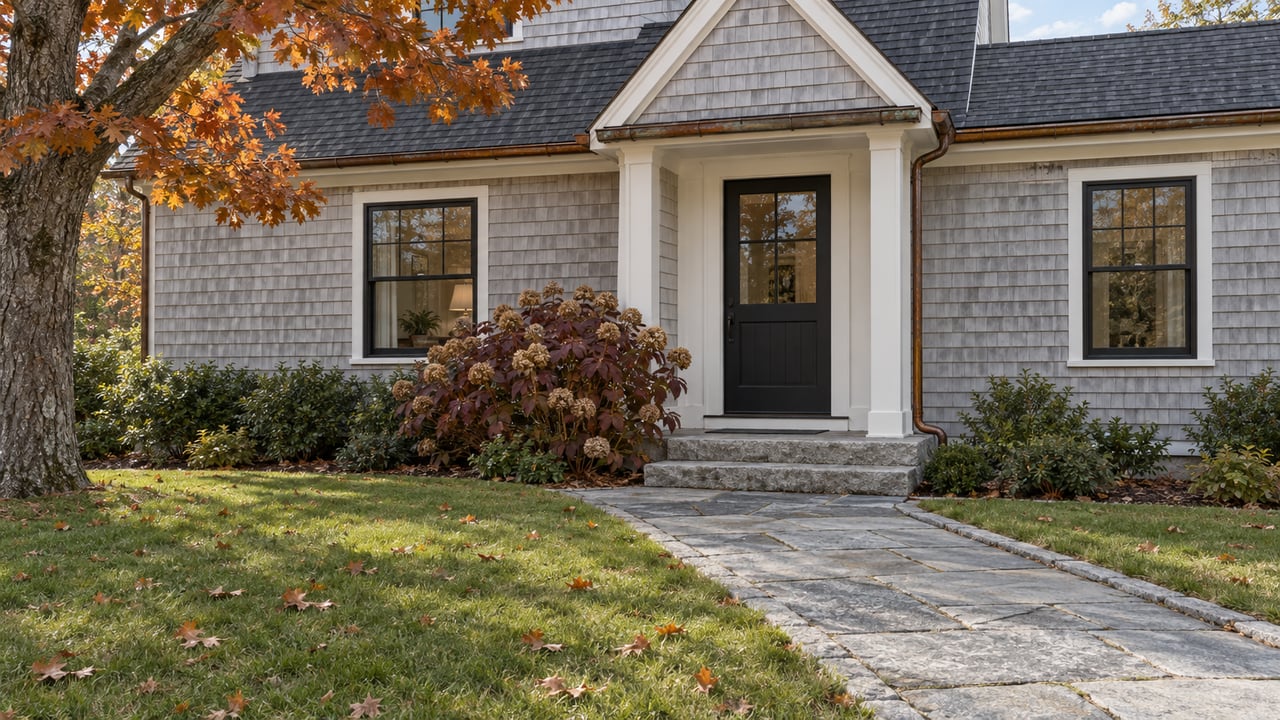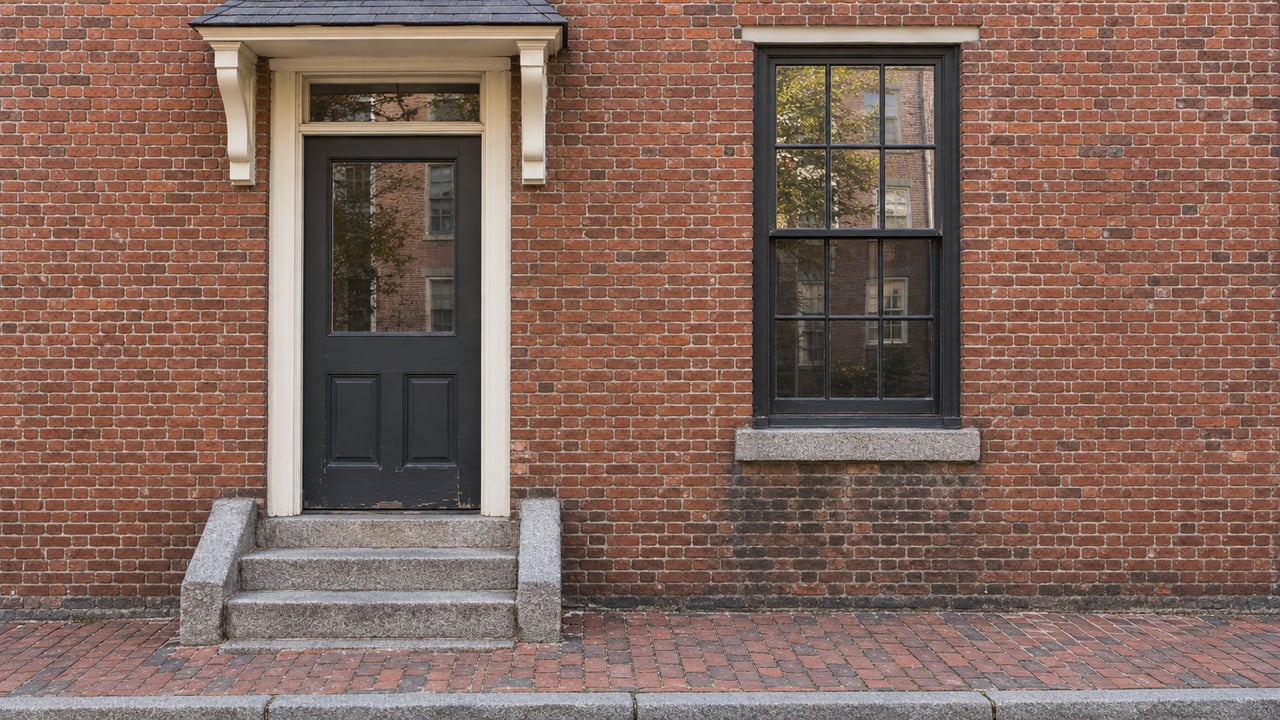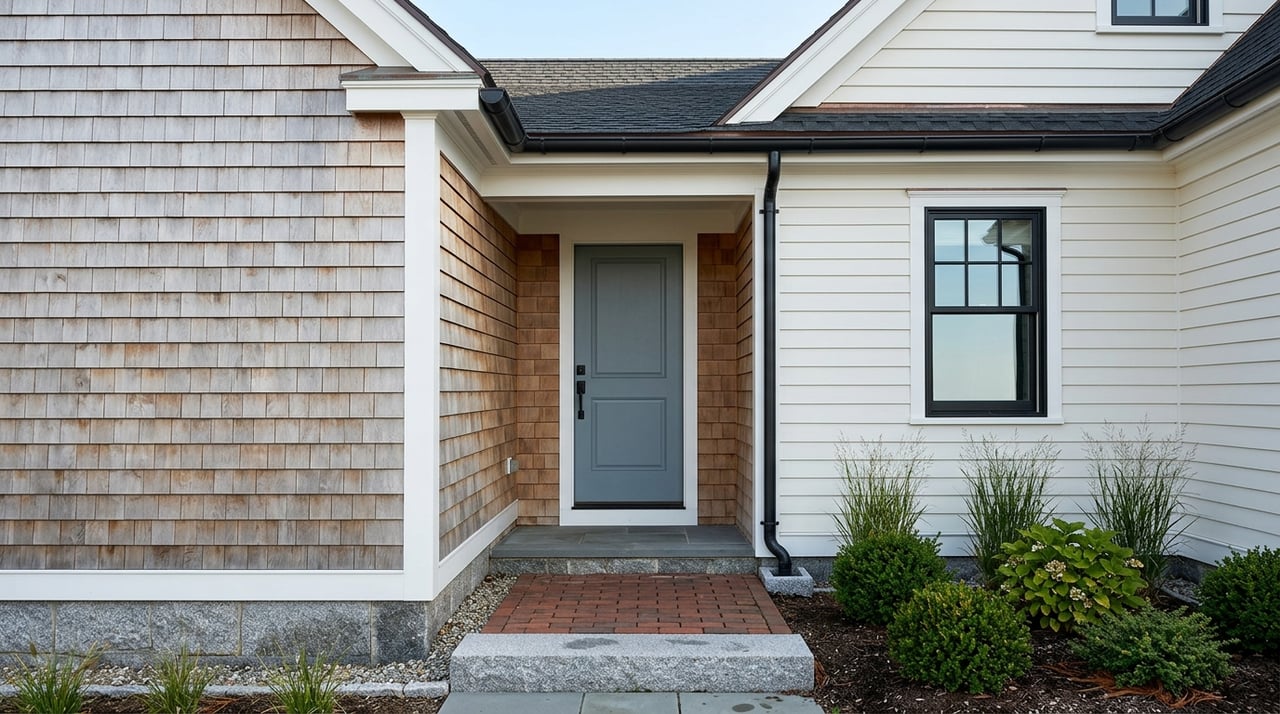
Living near the water is part of what makes Cape Elizabeth so special, but coastal weather can be hard on a home. Salt air, wind-driven rain, high tides, storm surge, and persistent onshore winds can all affect your property, even when there is no named hurricane in the forecast. If you want to protect your home, preserve value, and avoid bigger repair issues later, a little planning goes a long way. Let’s dive in.
Coastal weather means more than hurricanes
When many homeowners think about coastal risk, they think about major storms. But NOAA notes that coastal flooding can also result from abnormally high tides, storm surge, persistent onshore winds, and waves. In Cape Elizabeth, that means your home may face weather-related wear and water risk in more than one season.
This broader view matters because prevention usually works best before visible damage appears. A home can experience gradual corrosion, moisture intrusion, or site erosion long before you see a major leak or washout. That is why steady maintenance and early checks are so important in a coastal setting.
Start with your property's flood risk
One of the smartest first steps is understanding whether your home sits in or near a flood-prone area. FEMA’s Flood Map Service Center is the official source for flood hazard maps, and the Town of Cape Elizabeth floodplain assistance page also points homeowners to local guidance and support.
Cape Elizabeth notes that residents can receive information, guidance, and access to discounted flood insurance through proactive floodplain management. The town also states that flood hazard permits are required for development in the floodplain. If you are planning exterior work, repairs, or larger improvements, it is wise to confirm whether town review is needed before you begin.
Watch for salt air and corrosion
Coastal homes do not just age from storms. According to FEMA’s guidance on corrosion in coastal areas, salt spray and moisture can accelerate corrosion and decay in building materials, especially in partially sheltered areas that stay damp longer.
That detail surprises many homeowners. Covered connections, tucked-away fasteners, and semi-protected metal parts may wear out faster because they are not rinsed by rain as often. In practical terms, it makes sense to inspect both exposed hardware and the less obvious spots around decks, stairs, railings, vents, and connectors.
Focus on the small parts first
In many coastal homes, the first failures show up in smaller components rather than in the main structure. FEMA’s coastal construction guidance says corrosion-resistant connectors and fasteners are essential in coastal areas and recommends hot-dip galvanized steel or stainless steel hardware.
This is especially useful when you are repairing or replacing exterior elements. Roofing flashings, deck hardware, connectors, vents, and exterior fasteners may be small, but they often create the bigger issues homeowners notice later, like leaks, staining, rust streaks, or wood rot. It is also important not to mix dissimilar metals, since that can increase the risk of galvanic corrosion.
Check roofs, soffits, and flashing seasonally
Some of the most valuable maintenance work is simple and repeatable. FEMA advises that roof flashing should be checked routinely because gaps or damage can let in water and lead to leaks, corrosion, and dry rot. FEMA also notes that aluminum soffits are vulnerable in salt-laden air and should be replaced if a house is within 3,000 feet of a body of water that produces salt spray.
A seasonal walkthrough can help you catch issues early. After a windy storm or heavy coastal spray event, pay close attention to roof edges, soffits, attic ventilation areas, windows, doors, gutters, and deck connections.
What to look for after a storm
Based on FEMA’s maintenance and corrosion guidance, these are some of the most useful items to check:
- Rust or corrosion on fasteners, connectors, or hardware
- Peeling coatings or paint failure on metal components
- Loose flashing or failed sealant around roof edges and openings
- Water stains near windows, doors, soffits, or ceilings
- Blocked drainage paths or overflowing gutters
- Loose deck hardware, rail connections, or stair fasteners
If you spot early signs of wear, acting quickly can help you avoid more expensive repairs later.
Prepare before storm season
Waiting until a warning is issued can leave you with very little time. Ready.gov recommends having emergency supplies at home, work, and in your car, creating a family communications plan, knowing evacuation routes, and listening to local officials.
For your property, it also helps to secure outdoor furniture and trim trees and shrubs before severe weather arrives. Combined with NOAA’s reminder that coastal flooding can happen outside a major hurricane, the message is clear: preparing ahead of time is the safer and more practical approach.
Understand erosion and bluff stability
For some Cape Elizabeth properties, the biggest concern is not only the house itself but the land around it. The Maine Geological Survey’s coastal hazards guide is a strong starting point for understanding flooding, erosion hazards, coastal features, and applicable mitigation strategies.
The Maine Geological Survey also explains that bluff slope, shape, vegetation, and sediment type all affect erosion susceptibility. Its guidance on coastal bluffs notes that actively eroding bluffs can be unstable and may be unsafe for development near the bluff top.
That means shoreline and bluff conditions should be evaluated carefully and on a site-specific basis. Sea-level rise and wave erosion can steepen bluffs over time, which may increase landslide risk in some locations. If your lot includes shoreline or bluff areas, understanding those physical conditions is an important part of long-term planning.
Consider site-specific shoreline solutions
There is no one-size-fits-all fix for erosion or shoreline change. Cape Elizabeth’s climate resilience page explains that vulnerability varies by site and may require a mix of nature-based solutions and policy measures.
The town also points to the Sawyer Road removal project, which will restore saltwater marshland and remove a tidal restriction, as an example of local adaptation work. That local context matters because it shows how resilience planning can include both public projects and property-specific strategies.
For private property decisions, the best path often depends on your site conditions, the nature of the erosion or flooding issue, and applicable rules. In some cases, vegetation-based or other nature-based approaches may be worth exploring, while in others a different stabilization strategy may be needed.
Coastal upkeep also protects resale value
Protecting your home from coastal weather is about more than avoiding repairs. It can also support smoother future disclosures, stronger buyer confidence, and fewer surprises during inspections. Small exterior issues often signal larger maintenance concerns to buyers, especially in a waterfront or near-water market.
Cape Elizabeth’s floodplain page also notes that proactive floodplain management may help residents access discounted flood insurance through NFIP participation. For homeowners, that is another reminder that maintenance, permitting, and flood awareness all connect to the bigger picture of ownership costs and marketability.
Build a practical maintenance routine
If you own a home in Cape Elizabeth, a simple repeatable plan is often better than a long list you never use. A good rhythm is to review flood-zone information before major projects, inspect key exterior components seasonally, and perform an extra check after strong wind or coastal flooding events.
Keep your focus on the areas most likely to fail first: flashing, soffits, sealants, drainage paths, deck connections, and exterior metal hardware. When your home is exposed to coastal conditions year after year, consistency matters.
If you are thinking about buying, selling, or preparing a coastal property for the market, local perspective makes a real difference. The team at McFarlane Field Associates helps buyers and sellers navigate Cape Elizabeth homes with the kind of practical, hyperlocal insight that supports confident decisions.
FAQs
How can you check if a Cape Elizabeth home is in a flood-prone area?
- Review the official FEMA flood maps and contact the Cape Elizabeth floodplain assistance office for local guidance.
What should you inspect after a coastal storm in Cape Elizabeth?
- Check roof flashing, soffits, sealant, gutters, fasteners, deck hardware, and any signs of rust, staining, or water intrusion based on FEMA maintenance guidance.
What causes coastal flooding near Cape Elizabeth homes?
- NOAA explains that coastal flooding can come from high tides, storm surge, persistent onshore winds, and waves, not just hurricanes.
What exterior materials hold up better on coastal Maine homes?
- FEMA recommends corrosion-resistant connectors and fasteners, especially hot-dip galvanized steel or stainless steel hardware in high-exposure areas.
When should you contact Cape Elizabeth before making property changes?
- If your project affects the floodplain or shoreline, contact the town first because Cape Elizabeth requires flood hazard permits for development in the floodplain and can provide guidance on next steps.