Thinking about leaving Portland for a little more space, a quieter daily rhythm, or easier access to the coast? Or maybe you’re relocating to Southern Maine from farther away and trying to figure out whether Falmouth fits the life you want. If so, it helps to understand how Falmouth compares with Portland and nearby towns before you start touring homes. Let’s dive in.
Why Falmouth draws relocators
Falmouth sits on Casco Bay just north of Portland and is part of the Greater Portland market. The town describes itself as a suburban community shaped in part by highway access to Portland, which helps explain why it appeals to buyers who want proximity without a fully urban setting.
In everyday terms, Falmouth feels very different from Portland. Census data show an estimated 2025 population density of 423.3 people per square mile in Falmouth, compared with 3,175.4 people per square mile in Portland. That gap often translates to a calmer, more spread-out feel as you move through town.
What daily life feels like
If you are moving from Portland, one of the first changes you may notice is pace. Falmouth offers a more ownership-focused, lower-density environment, and the town’s growth history is closely tied to commuter access through I-295 and the Maine Turnpike.
That does not mean you are cut off from Portland. It means your routine is more likely to center on driving, home life, and destination-based errands rather than a more urban, walk-from-place-to-place pattern. For many buyers, that tradeoff is exactly the point.
Falmouth housing at a glance
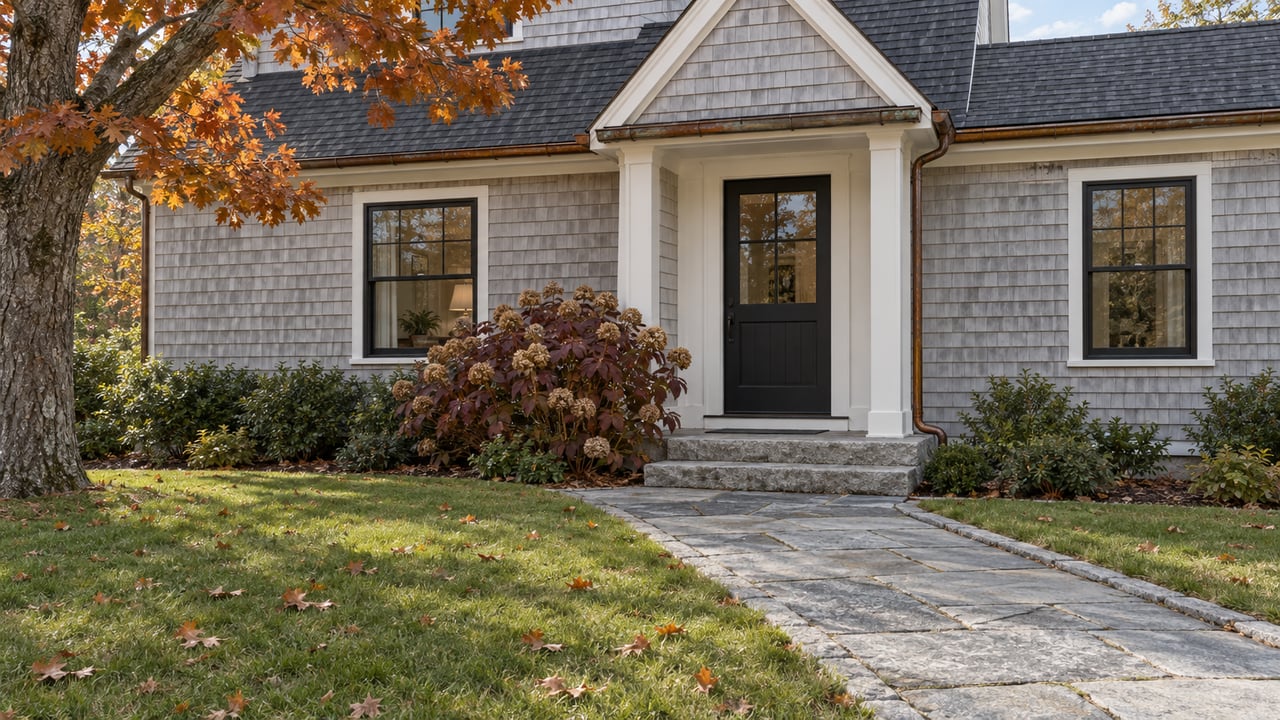
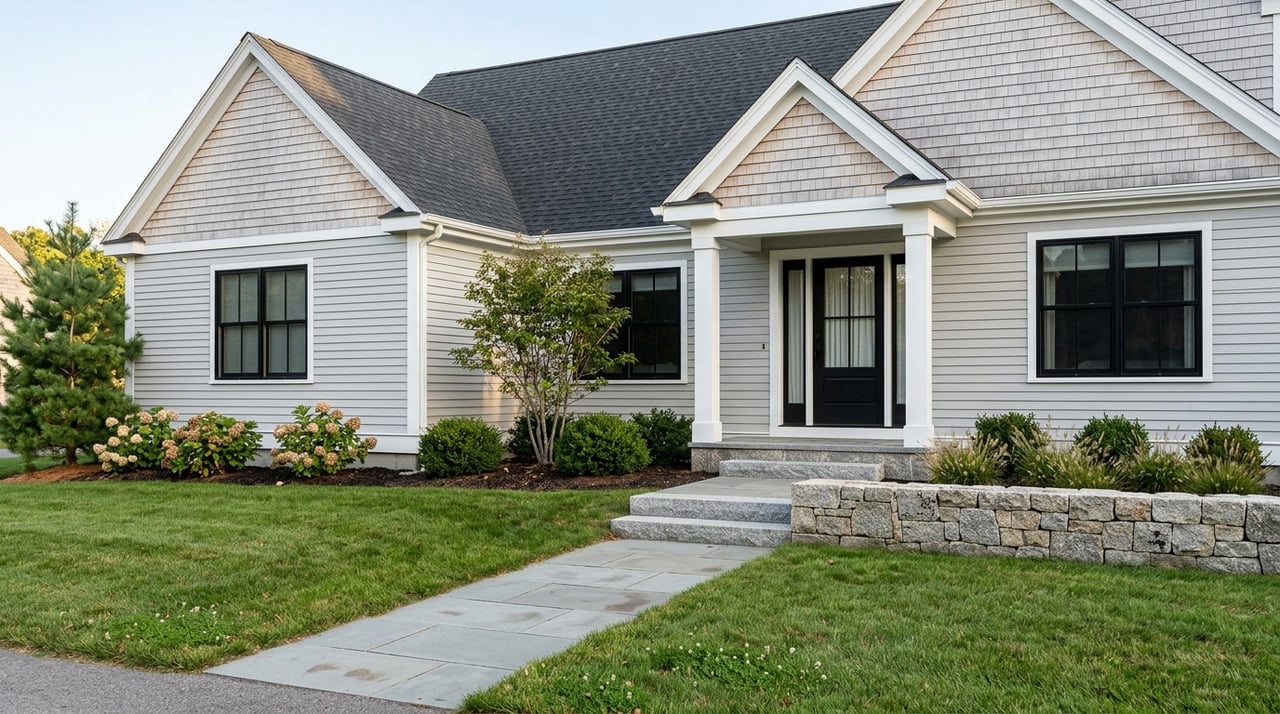
Falmouth is a strongly single-family market. More than 80 percent of the housing stock is single-family detached, and only 8.6 percent of housing units are in multi-family buildings with three or more units.
It is also much more owner-occupied than Portland. The owner-occupied housing rate is 84.4 percent in Falmouth versus 46.9 percent in Portland, and rental units account for just 14.2 percent of total housing in Falmouth. If you are hoping for a broad apartment or condo selection, you may find your options more limited here.
Home styles and neighborhood patterns
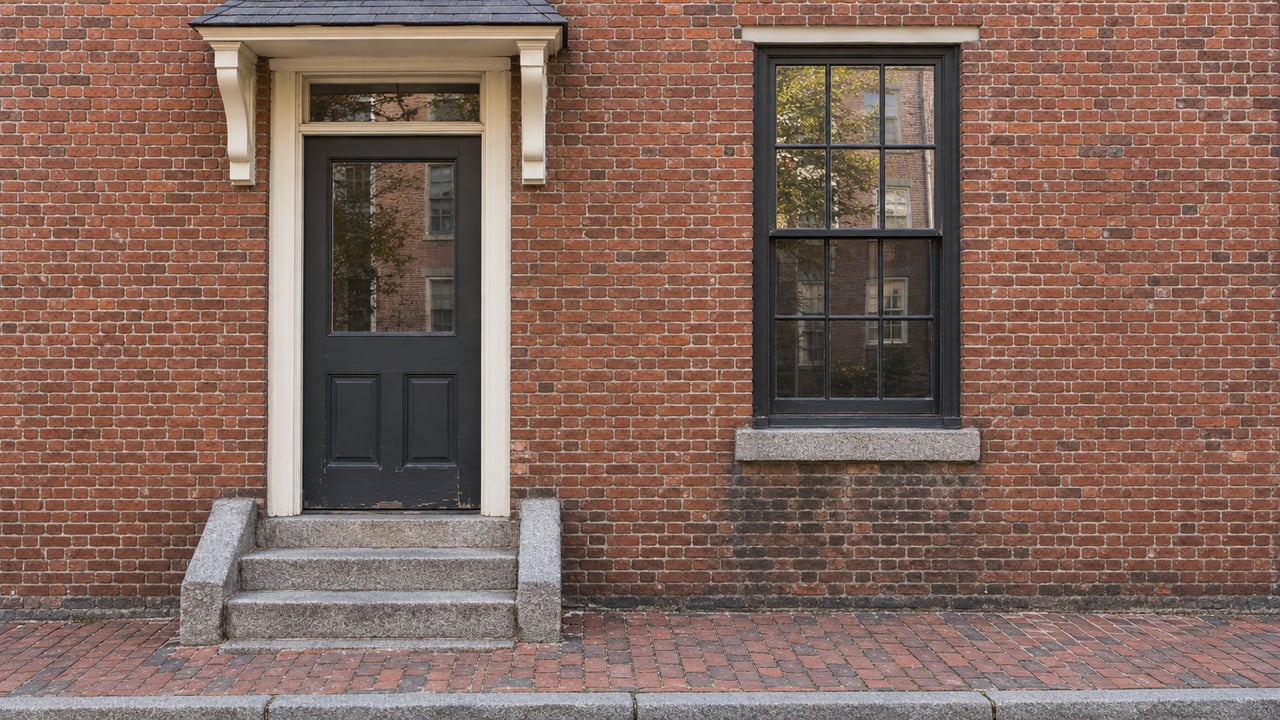
While detached homes dominate, Falmouth is not one-note. Town history notes that eastern Falmouth saw more multi-family and condominium development in the 1970s, while later decades brought more single-family growth in western parts of town.
That means your search experience may vary depending on where you look. Some areas offer a housing mix that includes attached living, while others lean more heavily toward stand-alone homes on larger lots. If you are relocating, it helps to define your must-haves early so you can focus on the right part of town.
Price expectations in Falmouth
Falmouth sits toward the upper end of the Greater Portland market. The town’s comprehensive plan says the median home price rose from $384,500 in 2013 to $925,000 in 2024, which gives you a clear sense of how strongly values have climbed.
A current market snapshot tells a similar story. Zillow’s typical home value for Falmouth is $903,501, compared with $557,760 in Portland, $690,979 in Scarborough, $766,141 in Yarmouth, and $748,966 in Cumberland. Among nearby comparisons, Cape Elizabeth at $894,401 is the closest match in current value and coastal positioning.
It is worth remembering that pricing sources measure different things. Census owner-occupied value data and Zillow’s typical home value are useful directional tools, but they are not interchangeable. For a real move, the right benchmark is always the current inventory and recent comparable sales in the part of town you want.
Comparing Falmouth with Portland
If you are choosing between Portland and Falmouth, your decision often comes down to lifestyle as much as budget. Portland generally offers a more urban feel, a lower typical home value, and a much larger renter presence.
Falmouth usually appeals to buyers who want more space, a more homeowner-centered market, and a coastal-suburban setting with access to Portland. Portland usually fits buyers who want more flexibility in housing type and a denser day-to-day environment.
Quick comparison
| Market factor | Falmouth | Portland |
|---|---|---|
| Population density | 423.3 per sq. mi. | 3,175.4 per sq. mi. |
| Owner-occupied share | 84.4% | 46.9% |
| Mean travel time to work | 22.6 min | 19.4 min |
| Typical home value | $903,501 | $557,760 |
| Median gross rent | $2,120 | $1,577 |
Commute and access
Many relocating buyers ask whether living in Falmouth makes commuting impractical. The numbers suggest a more balanced answer. Mean travel time to work in Falmouth is 22.6 minutes, compared with 19.4 minutes in Portland, 21.4 in Cape Elizabeth, 24.3 in Cumberland, and 26.9 in Yarmouth.
So Falmouth is not at the extreme end of local commute times. It falls in the middle of the regional range, which can make it appealing if you want access to Portland while still prioritizing a lower-density home base.
Coastal access and outdoor appeal
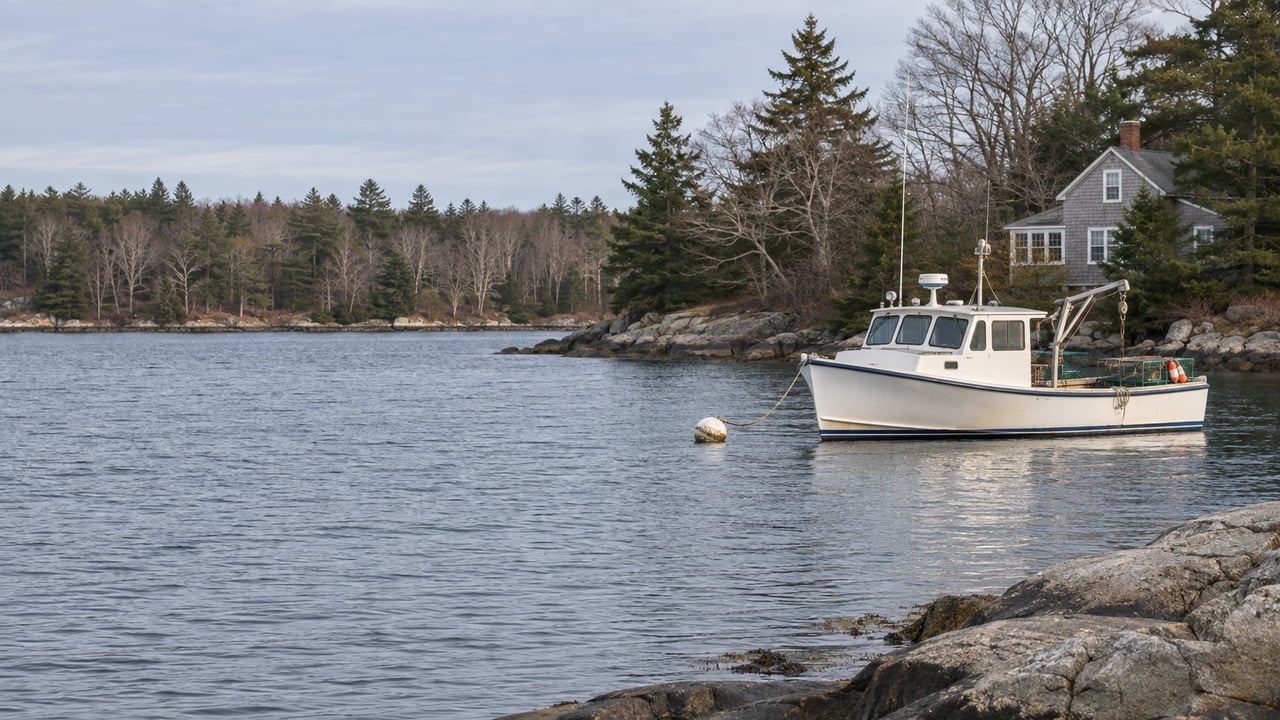
Falmouth’s identity is closely tied to the water. The town highlights that it has the largest anchorage in Maine, with more than 1,200 moorings, along with preserved open spaces such as Mackworth Island and Gilsland Farm.
For buyers who care about shoreline access, the experience here tends to be practical and recreation-oriented rather than purely scenic. The Maine Coastal Public Access Guide describes Falmouth Town Landing as offering a part-tide paved ramp, pier and floats, a small sand beach, boat-launch access, and permit-controlled parking.
That mix can matter if your move is driven by boating, access to open space, or a coastal lifestyle that feels usable in daily life. It gives Falmouth a strong draw for buyers who want both convenience and connection to Casco Bay.
Inventory can be tight
One of the biggest adjustments for relocating buyers is learning how limited inventory can be. Falmouth’s housing stock is not only ownership-heavy, but also relatively light on rentals and attached housing compared with Portland.
The town plan says rentals make up only 14.2 percent of housing, and the local mix has not shifted much toward more diverse housing types. In spring 2026, Zillow showed just 37 listings in Falmouth, compared with 119 in Portland, 49 in Scarborough, 26 in Cape Elizabeth, and 23 each in Yarmouth and Cumberland.
That means preparation matters. If you are relocating from out of town, you may need to move quickly when the right property appears, especially if your search is narrow.
What kind of buyer Falmouth fits best
Falmouth tends to make the most sense if you want a quieter coastal-suburban setting, easy access to Portland, and a market centered on detached homes. It can be a strong match for buyers who value space, ownership stability, and access to the water and open land.
It may be less ideal if your top priority is a wide selection of rentals, condos, or lower price points. In that case, Portland may offer more flexibility, while Scarborough, Yarmouth, and Cumberland each bring their own balance of price, commute, and housing mix.
Cape Elizabeth is often the closest high-end coastal comparison. Falmouth and Cape Elizabeth both sit near the top of the local value range, though each offers its own setting and housing patterns.
What to think through before you move
Before relocating to Falmouth, it helps to get clear on a few practical questions:
- Do you want a detached home, or would condo living still work for you?
- How important is quick Portland access to your daily routine?
- Are you comfortable competing in a tighter inventory environment?
- Is water access, boating, or open space part of your lifestyle goal?
- Are you comparing Falmouth mainly with Portland, or also with Cape Elizabeth, Scarborough, Yarmouth, or Cumberland?
The clearer your priorities are, the easier it becomes to tell whether Falmouth is the right fit or whether another Greater Portland town better matches your budget and lifestyle.
Relocating well is not just about finding a house. It is about matching your day-to-day life to the right town, the right housing type, and the right pace. If Falmouth is on your shortlist, a focused local strategy can help you make sense of pricing, inventory, and where the best fit may be for your move.
If you are planning a move to Falmouth from Portland or beyond, McFarlane Field Associates can help you compare your options across Greater Portland and navigate the search with clear, local guidance.
FAQs
What is it like relocating to Falmouth from Portland?
- Falmouth generally feels less dense, more homeowner-focused, and more suburban than Portland, while still offering access to the Greater Portland job market and Casco Bay.
How expensive is Falmouth compared with Portland?
- Current data in the research report show Falmouth at a higher price point, with a Zillow typical home value of $903,501 versus $557,760 in Portland.
Is Falmouth mostly single-family homes?
- Yes. More than 80 percent of Falmouth’s housing stock is single-family detached, which is a defining feature of the local market.
Are rentals easy to find in Falmouth?
- Rentals are a smaller part of the housing mix in Falmouth, accounting for 14.2 percent of housing units, so options are generally more limited than in Portland.
How is the commute from Falmouth to Portland?
- The mean travel time to work in Falmouth is 22.6 minutes, which places it in the middle of the local range rather than at either extreme.
Does Falmouth offer coastal access for buyers?
- Yes. Falmouth’s coastal identity includes boating access, over 1,200 moorings, and shoreline features such as Falmouth Town Landing with a ramp, pier, floats, and a small beach.