Thinking about moving to Freeport? You are not alone. For many buyers, Freeport offers a compelling mix of coastal Maine character, practical access to Portland, and a housing market that includes everything from historic village homes to newer condos and rural properties. If you are trying to figure out whether Freeport fits your lifestyle and budget, this starter guide will help you understand what daily life, housing options, and homebuying considerations really look like. Let’s dive in.
Why buyers look at Freeport
Freeport is a coastal town in Cumberland County with an estimated population of 8,934 as of July 1, 2025. It is a mostly owner-occupied community, with 77.6% of homes occupied by owners, which can appeal to buyers looking for a more settled residential feel.
The town also offers strong digital connectivity for remote and hybrid work. Census data shows 97.7% of households report having a computer and 96.5% report broadband, which is useful if your move depends on reliable work-from-home access.
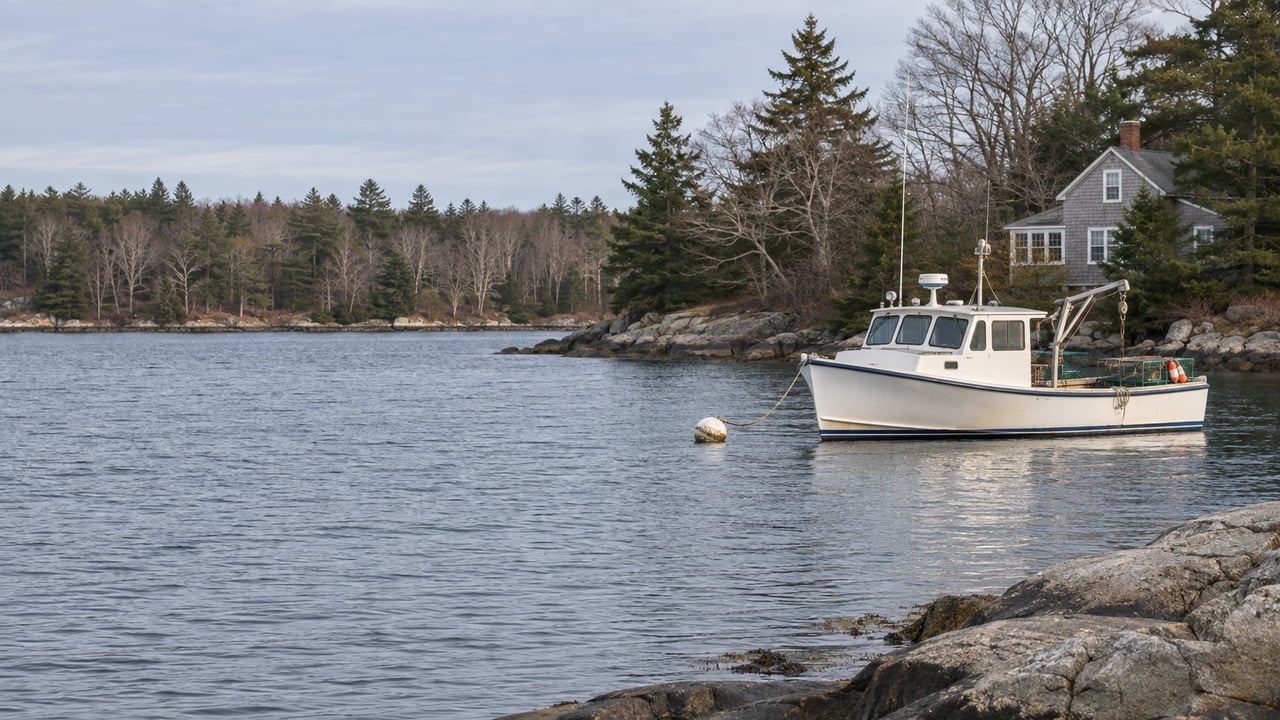
Freeport’s identity is shaped by its coastline, harbor, and village center. The town describes itself through its roughly 37 miles of tidal coastline, the Harraseeket River deepwater harbor, and a downtown village that attracts visitors year-round.
What daily life feels like
If you are relocating from a larger metro area, Freeport may feel like a manageable middle ground. It offers a quieter setting than Portland while still keeping regional access within reach.
The average commute to work is 23.6 minutes. That number gives you a helpful baseline, but your actual daily experience can vary depending on whether you live near the village core, along the coast, or on a more rural road.
Freeport is also a shopping and visitor destination. Visit Freeport describes the area as home to more than 200 outlets, boutiques, and local shops, and L.L.Bean remains a major local draw. In practical terms, downtown and the Route 1 corridor can feel busier than outlying residential areas, especially during weekends and peak retail periods.
Getting around Freeport
Freeport works well for buyers who want more than one transportation option. Driving is common, but train and bus access can also make daily routines or regional travel easier.
Driving and road access
Route 295 and Route 1 are key parts of how the town functions. When you are comparing homes, it helps to think beyond mileage and look at how a specific address connects to those corridors.
A home that looks close to downtown on a map may feel very different in practice depending on traffic patterns, bridge access, and whether you are commuting toward Portland or moving around town during retail peak times. That is one reason location details matter so much in Freeport.
Train and bus options
The Amtrak Downeaster station is located at 23 Depot Street in downtown Freeport. Amtrak notes that the station is within easy walking distance of local shops, restaurants, hotels, trails, and the L.L.Bean campus.
METRO Breez also offers daily express bus service linking Brunswick, Freeport, Yarmouth, and the Portland Transportation Center. If you want flexibility beyond driving alone, that is a meaningful advantage.
Freeport housing at a glance
Freeport remains largely a single-family home market, but it is evolving. The town’s 2024 housing inventory draft reports that in 2022, 77.7% of housing units were one-unit homes, with smaller shares in two-unit, multifamily, and mobile home categories.
Prices have changed significantly over time. According to the town’s draft housing inventory, the median home price rose from $265,000 in 2010 to $710,000 in 2023, which shows how sharply the market appreciated over the longer term.
At the same time, small-market conditions can cause month-to-month swings. Recent sources point to a directional range in the low-to-mid $500,000s, with the town manager’s February 2026 report citing a January 2026 median single-family sale price of $572,500, Redfin showing a March 2026 median sale price of $520K, and Census QuickFacts listing a 2020-2024 median owner-occupied home value of $508,400.
Where different housing options show up
Freeport is no longer just a detached-home market. The town reported in early 2026 that a 45-unit condominium project on Depot Street had been approved for workforce housing, and that 138 multifamily units were under development within the primary growth area downtown and along Route 1.
That matters if you want lower-maintenance living, a newer unit, or a home closer to the village core. It also matters if you are comparing older in-town housing with newer attached options entering the market.
Village core homes
The in-town and village area is typically the most walkable part of Freeport. It is also the part of town most tied to retail activity, redevelopment, and planning efforts focused on Route 1 and Main Street.
If you want close access to shops, dining, the train station, and the center of town, this area may stand out. You should also expect a busier feel than you would likely find on outlying residential roads.
Coastal and harbor areas
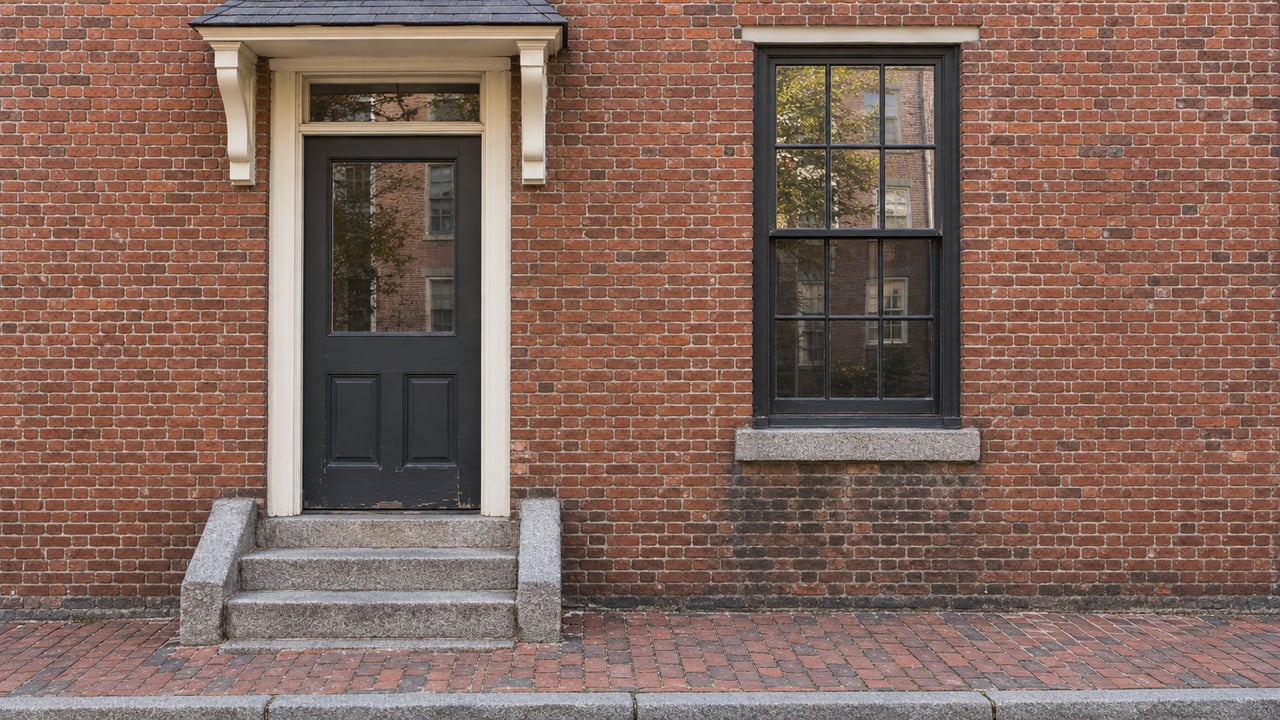
Shoreline and harbor areas, including South Freeport and the Harraseeket area, often carry a more historic and maritime feel. Town materials note that older village areas retain groupings of Federal and Greek Revival dwellings, reflecting Freeport’s long development history.
For some buyers, these areas deliver the classic coastal Maine character they are hoping to find. The tradeoff is that inventory, style, and pricing can vary widely from one pocket to the next.
Rural edge properties
Freeport also includes more open, rural-feeling areas with farm-field views and access to conservation land. The town reports more than 3,385 acres of conserved land, or 14% of its landmass, which helps shape that sense of space.
If you want more breathing room, this part of town may be worth a closer look. Just keep in mind that a quieter setting can change your drive time, your route into town, and your access to village amenities.
Home styles you may see
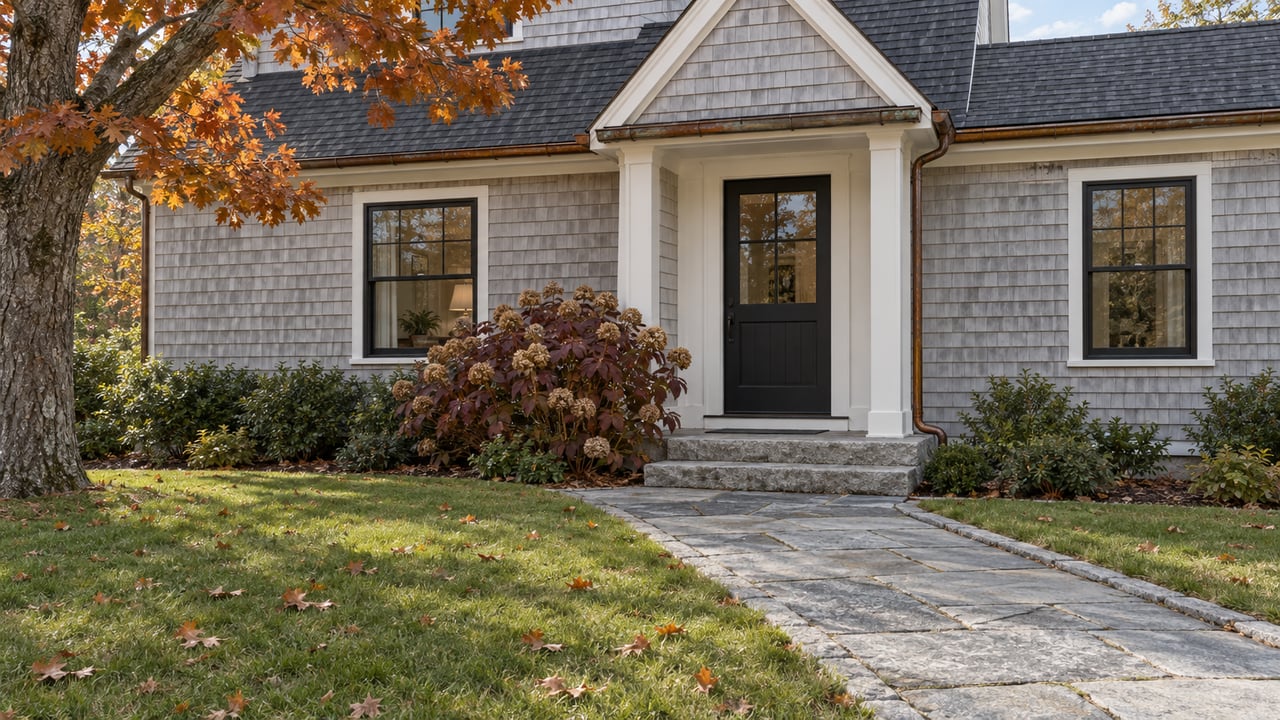
Freeport’s residential architecture includes New England Colonial, Federal, Greek Revival, Queen Anne, Gothic Revival, Italianate, Shingle Style, simple farmsteads, and maritime homes. That variety gives buyers a wider stylistic range than you might expect in a town of this size.
In older shoreline and village locations, you may see more historic character and traditional detailing. In designated growth areas, you are more likely to come across newer homes, condos, or mixed-use development.
School logistics to think through
Families in Freeport are served by RSU 5. The district includes Freeport High School, Freeport Middle School, Mast Landing School, Morse Street School, Durham Community School, Pownal Elementary School, and Region 10 Technical High School as an option.
For a move, the practical question is often less about the school list and more about daily logistics. RSU 5 publishes transportation route categories by grade band, so it is smart to look at how a specific address fits your likely morning and afternoon routine.
Freeport Middle School serves grades 6 through 8 for Freeport and Pownal, and Freeport High School is located at 30 Holbrook Street. The district’s central office is also in Freeport, which means school administration is locally anchored.
Smart questions to ask before you buy
Freeport has some local details that are easy to miss if you are relocating from outside the area. Asking the right questions early can save time and reduce surprises later.
Here are a few worth adding to your checklist:
- Is the home in the Village Overlay District or another historic area where exterior changes may need to follow design standards?
- Is the property connected to the Freeport Sewer District, and is public sewer available at this address?
- How does traffic around this location feel during weekends or retail peak periods in the village corridor?
- If school transportation matters to your household, how does this property line up with RSU 5 bus routing?
- Are there winter parking restrictions on this street? Freeport prohibits on-street parking from 11 p.m. to 7 a.m. from November 1 through April 15.
Why local guidance matters in Freeport
Freeport can look simple on a map, but it is a town where micro-location matters. A home near the village may offer walkability and transit access, while a home near the harbor may bring a more historic coastal setting, and a rural-edge property may offer more land and privacy.
That is why relocating buyers often benefit from local guidance that goes beyond listings. The right advice can help you compare not just home prices, but also commute patterns, utility setup, design standards, and how a property fits your day-to-day life.
If you are planning a move to Freeport, McFarlane Field Associates can help you navigate the market with clear local insight, thoughtful buyer representation, and relocation support tailored to Coastal Maine.
FAQs
What is the housing market like for buyers relocating to Freeport, Maine?
- Freeport is still primarily a single-family home market, but it is adding more condos and multifamily housing near downtown and Route 1, with recent price references generally pointing to the low-to-mid $500,000s as a broad starting point.
What is the commute like from Freeport to Portland?
- Freeport is about twenty minutes from Portland, and the town’s average commute to work is 23.6 minutes, with access shaped by driving routes, the Amtrak Downeaster, and METRO Breez bus service.
What should buyers know about living near downtown Freeport?
- Downtown Freeport offers walkability and easy access to shops, restaurants, and the train station, but it can also feel busier because the village core is a year-round visitor and retail destination.
What school district serves Freeport, Maine?
- Freeport is served by RSU 5, which includes local schools such as Freeport High School, Freeport Middle School, Mast Landing School, and Morse Street School, along with published transportation information by grade band.
What local property details should buyers confirm in Freeport?
- Buyers should confirm whether a property is in a design-review area, whether public sewer is available through the Freeport Sewer District, how traffic patterns affect the location, and whether winter street parking restrictions apply.