Wondering if your Freeport roof is a good candidate for solar? The coast sees snow, wind, and plenty of trees, so it is smart to check the basics before you call an installer. In this guide, you’ll learn how local weather, your roof, CMP rules, and incentives affect whether solar makes sense for your home and your timeline. By the end, you will know what to assess and what to ask next. Let’s dive in.
Freeport sun and seasons
Freeport’s winters are cold and days are shorter, which lowers winter production. The flip side is that cooler air can help panels run a bit more efficiently per unit of sunlight, and production typically peaks in late spring and summer. Snow can temporarily reduce output until it melts or slides off, but tilted panels often clear faster than flat roofs. For a realistic estimate for your exact roof, ask an installer to model it using the NREL PVWatts calculator.
Is your roof a good candidate?
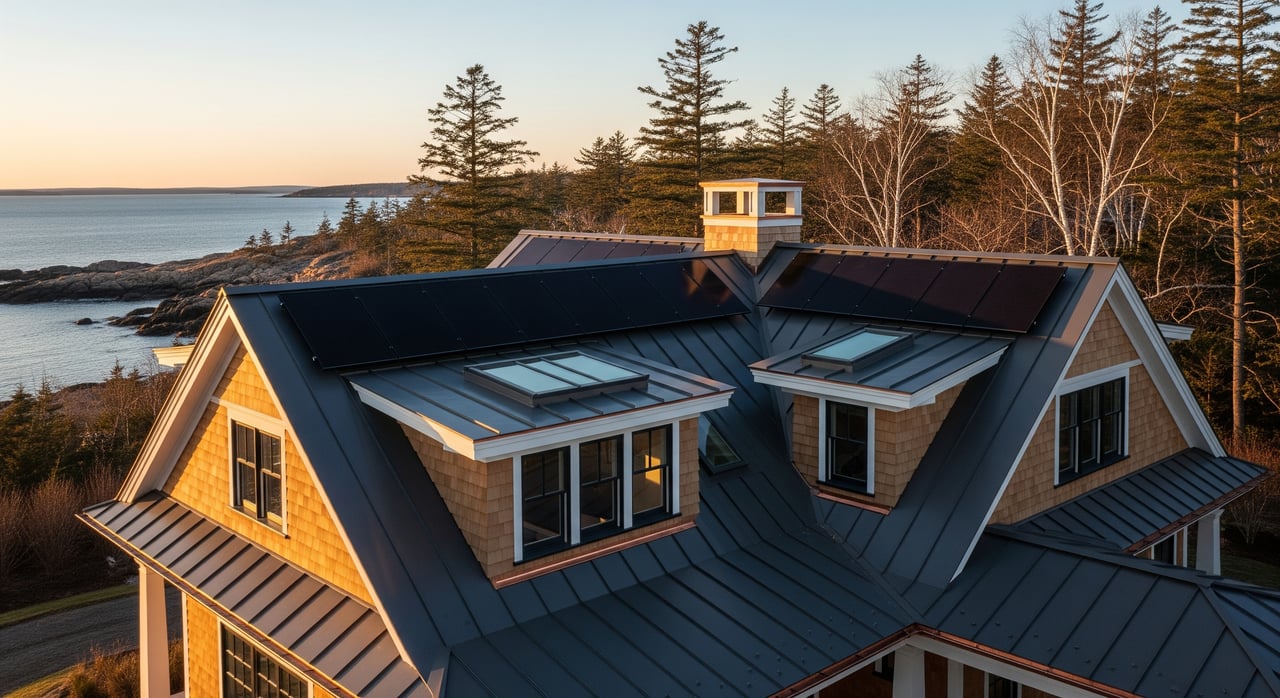
A south-facing, unshaded roof section is ideal. East or west roof planes can still work with modestly lower output, and multiple roof faces can be combined. In wooded neighborhoods, nearby tree shade is the most common limiter, so request a professional shading analysis.
Roof age and condition matter. Solar is typically a 25-year asset, so if your asphalt shingle roof is over 10 to 12 years old or due for replacement in the next 5 to 7 years, plan the roof first or coordinate both together. In coastal locations, ask for corrosion-resistant racking and hardware and confirm the design addresses local wind and snow loads.
What solar can produce here
Annual production depends on orientation, tilt, shading, system size, and local weather. A well-sited Maine array can produce meaningful power over the year, even if output is lower than in the Southwest. Snow may slow winter generation, while bright reflective conditions can offer a small boost on clear days. Accurate modeling for your roof will set the right expectations and help you size the system.
Costs and payback basics
Installed costs vary with system size, equipment, and roof complexity. Payback depends on how much your system produces, how you pay for it, available incentives, and local electricity prices. Maine households often benefit from higher-than-average retail electricity rates, which can shorten payback; see the EIA Maine energy profile for context on state electricity costs. Ownership type also matters. Cash and loan purchases allow you to capture tax credits; leases and PPAs change the economics and can affect resale.
Incentives you should know
The federal Investment Tax Credit remains a major driver for homeowners who buy their systems. As of mid-2024, qualifying residential systems may be eligible for a substantial federal credit; review current eligibility and amounts with your tax professional and the IRS Residential Clean Energy Credit guidance. You must own the system to claim the federal credit.
State and local offerings change. Efficiency Maine administers programs and shares technical guidance for residential solar and storage. Check Efficiency Maine’s residential solar information for current incentives and financing resources before you sign a contract.
CMP rules and your bill
Central Maine Power is the local utility. Your savings depend in part on how CMP compensates excess generation you export and how your usage and production line up month to month. Net energy billing and export credit rules have evolved over time, so confirm current policies and buyback rates directly with CMP before you make assumptions in your payback math. A reputable installer should walk you through how they apply today’s rules in their proposal.
Permitting and timeline in Freeport
Most homes will need a building and electrical permit from the Town of Freeport. If your property is in a historic district or special overlay, check with the town planning or historic preservation office before design begins. After permits are in motion, your installer typically submits an interconnection application to CMP and coordinates inspections. From site visit to permission to operate, plan for several weeks to a few months depending on permitting and utility timelines.
Plan upgrades and choose equipment
If you are already planning a roof replacement, coordinate with your solar installer on timing and shingle choice so your new roof is solar-ready. Complete work on chimneys, vents, gutters, or skylights before panels go up to avoid removals later. Ask about panel, inverter, and racking warranties and confirm hardware is rated for coastal environments.
Routine maintenance is light. Most systems include online monitoring, and you may only need occasional visual checks and gentle cleaning. Do not attempt to clear ice or snow directly from panels. The U.S. Department of Energy’s Energy Saver guidance is a useful primer on system components and ownership considerations.
Should you add batteries?
Storage can provide backup power and help you use more of your own solar generation, but it adds cost. Incentives for batteries can change, so check current offerings with Efficiency Maine and federal guidance to see if storage fits your goals. If backup is a priority, ask prospective installers to show options, costs, and how backup circuits would be configured.
A quick homeowner checklist
Use this list to gauge fit before you request quotes:
- Roof orientation: Do you have a largely unshaded south, east, or west roof face?
- Shade: How much tree cover hits your roof in summer? Can trimming help?
- Roof condition: Will the roof last at least 20 to 25 years, or should you replace it first?
- Structure: Will added wind and snow loads be addressed by design and permitting?
- Coastal hardware: Are racking and fasteners corrosion-resistant for salt air?
- Budget and ownership: Cash, loan, or third-party? Do you want to claim tax credits?
- Incentives: Have you checked Efficiency Maine’s current programs and the IRS credit?
- Utility rules: Did you confirm current CMP export credit and interconnection policies?
- Quotes: Will your installer provide a shading study and NREL PVWatts modeling for your roof?
- Timeline: Do permits, inspections, and your project schedule align?
Next steps
If your roof is in good shape and has limited shade, solar can be a solid fit in Freeport, especially with careful system design and a clear understanding of CMP rules and incentives. Get multiple quotes, ask each installer to model your roof, and compare equipment, warranties, and assumptions. If you expect to sell in the next few years, talk with your real estate advisor about how ownership type and timing can support your resale plans.
Thinking about how solar or a new roof fits your property plans in Coastal Maine? We are happy to share local insight on resale, upgrades, and timing. Request Your Home Valuation with Unknown Company to start a conversation.
FAQs
Will solar work on a tree-lined Freeport roof?
- It depends on shade. Ask for a professional shading analysis and consider trimming where appropriate. Microinverters or optimizers can help limit losses from partial shade.
How long does solar take to pay back in Maine?
- It varies with system cost, production, electricity prices, incentives, and ownership type. Many homes see a range of roughly mid to long single-digit years to longer; get site-specific quotes.
Do I need to replace my roof before installing solar?
- If your roof has more than about 10 years of life left, you may proceed. If it needs replacement within 5 to 7 years, replace it first or coordinate both to avoid future removal costs.
How does CMP handle extra solar power from my home?
- CMP’s net energy billing and export credit policies set how you are credited for excess generation. Confirm current rules with CMP and have your installer model expected savings.
Will panels hold up to coastal weather and snow?
- Quality equipment and proper design address wind, snow, and rain loads. Specify corrosion-resistant hardware for coastal conditions and follow your installer’s maintenance guidance.
If I plan to sell soon, is solar a good idea?
- Owned systems simplify resale and may appeal to buyers. Leases or PPAs can add steps for a buyer to assume or the seller to buy out, so review contract terms before you commit.