What if the right Cape Elizabeth neighborhood has been hiding in plain sight? When you are moving to the Maine coast or trading up in town, each area offers a different mix of shoreline access, lot size, commute, and everyday convenience. It can feel overwhelming to sort through options when every street looks inviting.
You deserve a clear, practical way to compare what matters most to you. In this guide, you will see how Cape Elizabeth’s core neighborhoods differ, what lifestyle tradeoffs to expect, and how to evaluate homes with coastal considerations in mind. You will leave with a short list and a showing-day checklist you can actually use. Let’s dive in.
Neighborhood snapshots
Below are plain‑English profiles of the areas buyers ask about most. Boundaries are informal and can overlap, so think of these as helpful patterns rather than strict lines.
Shore Road and waterfront
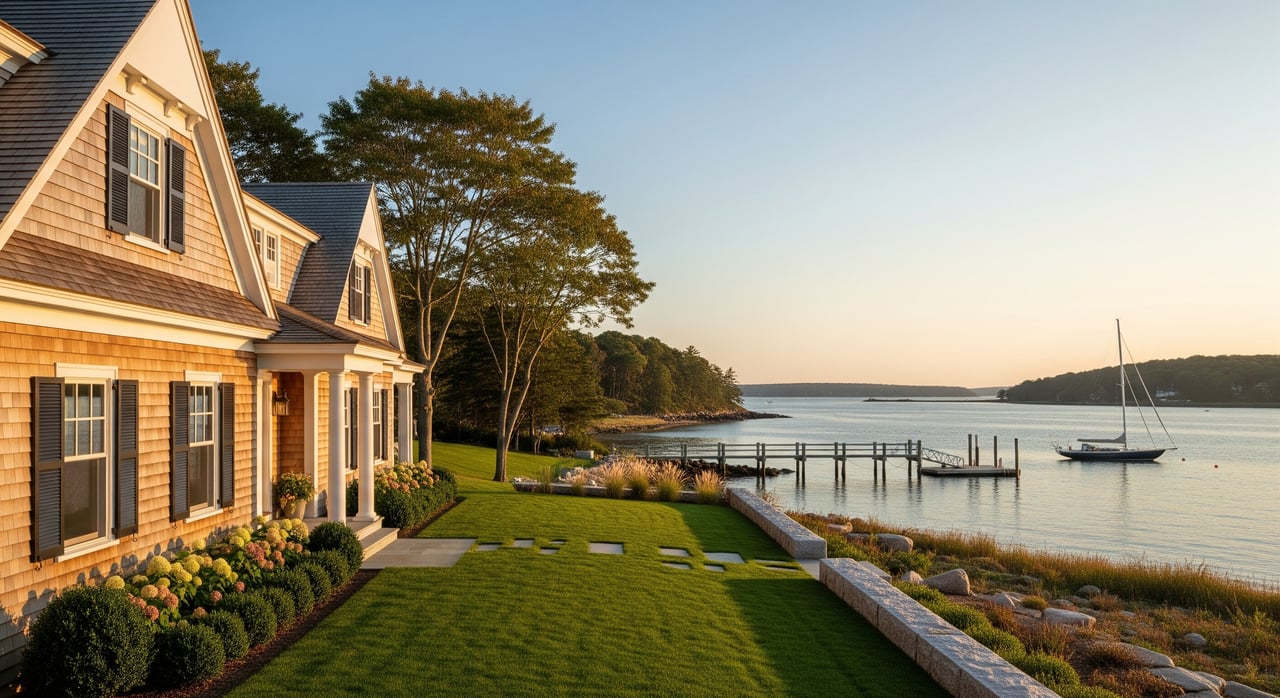
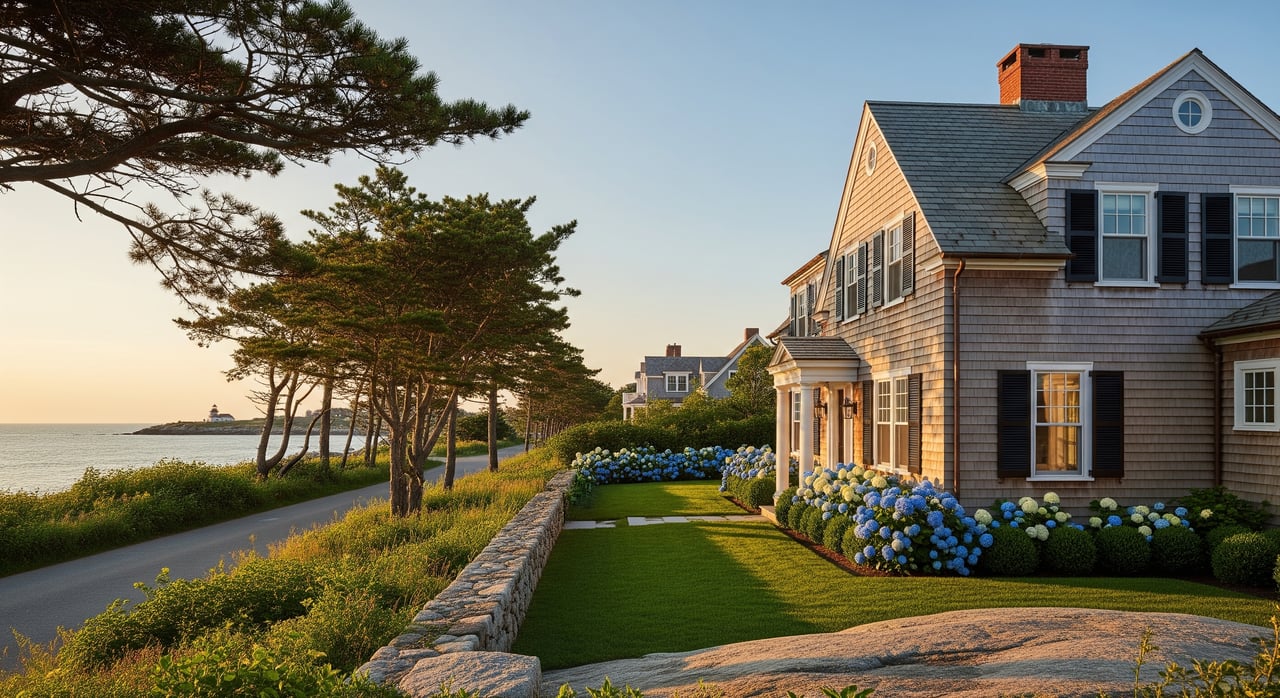
Shore Road runs along the ocean-facing side of the peninsula with homes that take full advantage of the coastline. You will see historic cottages, classic shingle-style properties, and contemporary rebuilds where views and water access are the headline features.
- Housing mix: Primarily single-family, often renovated or rebuilt; some seasonal cottages and high-end custom homes.
- Lifestyle: Immediate coastal access, dramatic views, boating and shoreline recreation. Few commercial services along the road.
- Commute: Generally about 10 to 20 minutes to town center and downtown Portland, depending on exact address and traffic.
- Price tier: Typically the highest in town due to the waterfront premium.
Broad Cove, Two Lights, and Fort Williams fringe
These coastal neighborhoods hug Broad Cove and the headlands near Fort Williams Park and Portland Head Light. Many buyers come here for everyday proximity to some of Maine’s most iconic scenery.
- Housing mix: Year-round homes on a range of lot sizes, newer construction and high-end renovations are common.
- Lifestyle: Walkable access to Fort Williams Park, trails, picnic areas, and popular visitor destinations.
- Commute: Similar to Shore Road for Portland access.
- Price tier: High, reflecting demand for park access and coastal vistas.
Crescent Beach and South Cape
Near Crescent Beach State Park, sandy beach days are part of the routine. Summer brings more visitor activity, yet many homes are year round and tucked on side streets.
- Housing mix: Beach cottages, Cape Cod and ranch styles, plus some newer multi-level homes. Lots closer to the beach can be smaller.
- Lifestyle: Direct access to the beach and walking paths, with more seasonal activity in summer.
- Price tier: Upper-middle to high, depending on proximity to the shoreline.
Pond Cove and town center
This is the civic hub of Cape Elizabeth, with schools, town offices, and daily services clustered nearby. Many buyers prioritize this area for day-to-day convenience.
- Housing mix: Smaller to mid-sized single-family homes, some newer infill and updates.
- Lifestyle: Walk or bike to schools and town services. A practical choice if you value short school-day commutes.
- Commute: Quick access to regional roads and downtown Portland.
- Price tier: Middle to upper-middle relative to other areas, generally more attainable than direct waterfront.
Oakhurst and interior residential areas
Set back from the shoreline, these established neighborhoods offer a quieter, more suburban feel with larger lots in many sections and mature trees.
- Housing mix: Mid-century ranches, colonials, and larger 1990s–2000s homes. Good options for move-up buyers seeking yard space.
- Lifestyle: Less tourist traffic than shorefront areas, yet still a short drive to beaches and town center.
- Price tier: Middle to upper-middle, often better value per square foot than waterfront areas.
Route 77 and Scott Dyer corridors
These transitional corridors provide convenient access to Portland and the interstate system. You will find a mix of residential streets and small businesses.
- Housing mix: Mixed-age single-family homes, with some newer builds on side streets.
- Lifestyle: Faster access to I-95 and I-295, a practical choice for frequent commuters.
- Price tier: Generally middle, with variation by lot size and distance from the coast.
Quick comparison at a glance
| Neighborhood | Quick vibe | Housing mix | Relative price tier | Notable access |
|---|---|---|---|---|
| Shore Road | Iconic coastline and views | Renovated cottages, shingle-style, contemporary | Highest | Coastal recreation, boating |
| Broad Cove/Two Lights/Fort Williams | Park-centric coastal living | Year-round homes, newer builds and renovations | High | Fort Williams Park, trails, Head Light |
| Crescent Beach/South Cape | Sandy beach lifestyle | Cottages, Capes, ranches, some newer homes | Upper-middle to high | Crescent Beach State Park |
| Pond Cove/Town Center | Everyday convenience | Small to mid-sized single-family, infill | Middle to upper-middle | Schools, town services |
| Oakhurst/Interior | Space and privacy | Ranches, colonials, larger suburban homes | Middle to upper-middle | Larger lots, quieter streets |
| Route 77/Scott Dyer | Commute-friendly | Mixed-age single-family, some new | Middle | Quick highway and Portland access |
How to compare neighborhoods
Price and value tradeoffs
Waterfront and ocean-view homes typically command the highest price per square foot. Homes near Pond Cove and interior neighborhoods often deliver more space and yard for the money. If you are stretching for a view, plan for a premium. If square footage and a larger lot are your priority, interior areas can offer better value.
Commute and regional access
Most addresses in Cape Elizabeth are a short drive to downtown Portland, often about 10 to 25 minutes depending on location and time of day. Interior corridors such as Route 77 and Scott Dyer often provide faster access to I-95 and I-295. Public transit coverage is more limited than Portland, so commuting is typically by car.
Schools and daily routine
The town center area, including Pond Cove, places you close to schools and daily services. School assignments can depend on your address, so it is smart to verify zoning and bus routes with the Cape Elizabeth School Department. If you want a shorter school-day commute, proximity to the campus cluster can be a key tie-breaker.
Recreation and shoreline access
If you want a park or beach as part of your routine, weigh the difference between private shoreline, neighborhood rights-of-way, and public access. Fort Williams Park, Crescent Beach State Park, and local trails offer year-round recreation. Broad Cove and Two Lights place you near signature coastal amenities, while interior neighborhoods keep beach trips a short drive away.
Septic, utilities, and inspections
Many homes in Cape Elizabeth use private septic systems rather than municipal sewer. Ask for system age and service records, and include a septic inspection contingency. If you are evaluating older cottages or homes near the shore, budget for coastal-grade materials and maintenance.
Flood zones and coastal permitting
Low-lying and waterfront parcels may fall within FEMA flood zones. That can affect insurance costs and renovation requirements. Shoreland zoning, coastal setbacks, and conservation rules can limit additions, expand timelines, and guide materials. Confirm setbacks, lot coverage, and permit timelines with the Town of Cape Elizabeth before you finalize plans.
Seasonality and inventory
Inventory is often tight, especially for move-in ready homes and coastal properties. Listings and showings tend to increase in spring and summer, but year-round demand is steady. If your timeline is flexible, plan to preview new listings quickly and review recent comparable sales so you can act with confidence.
Who tends to love each area
Use these cues to match your lifestyle with the right streets.
- Shore Road waterfront: If you want front-row coastal living, boating, and views, and you are comfortable paying a premium for it.
- Broad Cove and Two Lights: If daily park access and trails top your list, with high demand for proximity to iconic scenery.
- Crescent Beach and South Cape: If sand and surf are part of your rhythm and you do not mind seasonal activity in summer.
- Pond Cove and town center: If short school-day commutes and daily convenience matter most.
- Oakhurst and interior neighborhoods: If you want more house and yard for your budget, on quieter streets.
- Route 77 and Scott Dyer corridors: If you value faster access to Portland and regional roads for commuting.
Showing-day checklist for coastal buyers
Bring this list along when you tour. It helps you focus on the details that matter here.
- Confirm septic system age, last service, and any replacement history.
- Check whether the property is in a FEMA flood zone and ask your lender about required flood insurance.
- Walk the lot for drainage, shoreline stabilization, and evidence of storm exposure.
- Review local shoreland zoning, setbacks, and lot coverage limits with the Town if you plan additions.
- Test-drive the commute at your typical times to downtown Portland or other destinations.
- Visit nearby parks or beaches at different hours to gauge traffic, parking, and noise.
- Ask about utility details such as water source, heating fuel, and recent energy upgrades.
- Tour the schools and confirm assignment zones with the district if relevant to your plans.
Making your short list
Start with three priorities. For many buyers, it is a balance of shoreline access, daily convenience, and budget. Map those priorities against the profiles above. If your top two are beach access and space, Crescent Beach or an interior neighborhood near the coast could be a smart fit. If you want the simplest school commute, focus on the town center and Pond Cove.
Next, anchor your expectations with recent comparable sales. Look at active and pending listings to understand competition. Keep your offer flexible on timing and inspections, especially for older coastal homes where septic and maintenance items deserve attention.
Finally, walk the neighborhood. Street-level feel matters. Listen for wind on a blustery day, check sunlight at different times, and see how traffic flows in summer near parks and beaches. These details will help you choose with confidence.
Ready to compare options or tour a few neighborhoods side by side? Reach out to the local team that lives and works here. Connect with McFarlane Field Associates to discuss your goals and see what is coming soon.
FAQs
What is the main difference between Shore Road and Broad Cove areas?
- Shore Road emphasizes direct coastal frontage and views, while Broad Cove and Two Lights focus on walkable access to parks and trails near Fort Williams and the Head Light.
Are Cape Elizabeth commutes to Portland generally short?
- Yes, most neighborhoods are about 10 to 25 minutes from downtown Portland depending on address and time of day, with Route 77 and Scott Dyer offering faster highway access.
Which areas are closest to Cape Elizabeth schools and services?
- The Pond Cove and town center area clusters schools and daily services, which can reduce school-day commute time and increase everyday convenience.
Where do buyers often find better value per square foot?
- Interior neighborhoods such as Oakhurst and the Scott Dyer area commonly offer more house and yard for the price compared with direct waterfront locations.
What extra costs should coastal buyers plan for in Cape Elizabeth?
- Plan for potential flood insurance, coastal maintenance, septic inspection and repairs, and longer permitting timelines for shoreland work depending on the property.
Do neighborhood boundaries affect home search results?
- Yes, boundaries are informal and may vary across listings, so use town maps, MLS tags, and local guidance to compare like with like.