What draws so many people to a small coastal town in Maine? If you are weighing a move to Greater Portland, Yarmouth offers everyday convenience, village charm, and a direct connection to Casco Bay. You likely have questions about commute times, waterfront access, schools, and what neighborhoods feel like from the inside. This guide gives you a clear picture of day‑to‑day life and the practical details to consider as you plan a home search.
Let’s dive in.
Where Yarmouth fits on the map
Yarmouth sits along the Royal River where it meets Casco Bay, just north of Portland in Cumberland County. You get a compact, walkable village center around Main Street, then lower‑density neighborhoods with single‑family homes, trees, and quieter streets as you move out from the core. The setting feels coastal and relaxed without losing access to services and regional amenities.
The town follows a seasonal rhythm that is common on the Maine coast. Late spring through early fall brings more boat traffic and dining activity. Winter is calmer, and many residents enjoy a close, year‑round community with local programs and events. For municipal details on services, fees, and departments, start with the Town of Yarmouth website.
Waterfront life and access
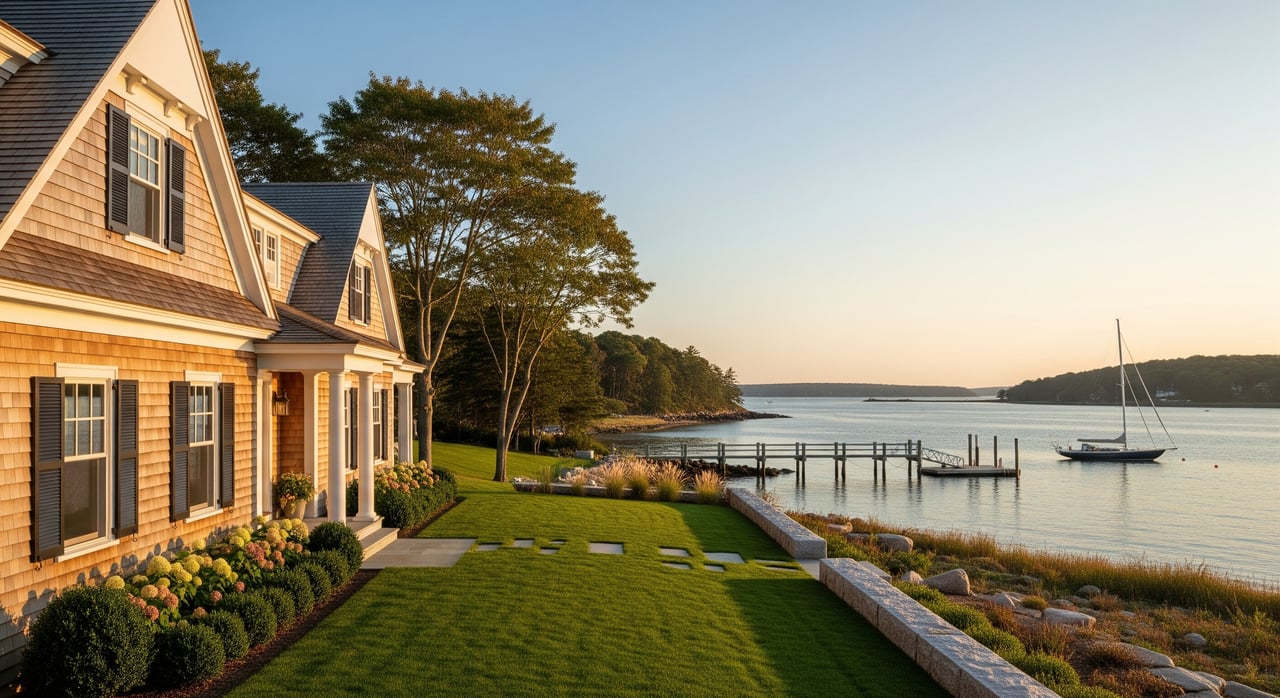
Casco Bay and the Royal River shape daily life here. If you want to be on the water, you will find a mix of public and private access points, including town facilities that support small‑boat activity. Some homes have private docks, while many boaters use town ramps, moorings, and marinas.
Popular activities include kayaking, paddleboarding, and small‑boat cruising to the bay’s islands. Shoreline and river fishing are common, and weekend boat runs can be a regular part of your routine once the weather turns. Slip availability, mooring assignments, and seasonal fees are managed locally, so you will want to confirm current policies with the town’s harbormaster. For contacts and updates, check the Town of Yarmouth site and navigate to harbor resources.
Parks, trails, and seasons
If you like to spend time outside, Yarmouth’s trail network and parks offer easy day‑to‑day options. Royal River Park provides riverfront walking and picnicking, and the Royal River Greenway connects local paths for strolling, running, or biking. You can head out for a short loop before work or take a longer weekend ride.
Regional recreation is a major perk. Beaches, state parks, and broader trail systems across Greater Portland are within a short drive. When winter arrives, you can often cross‑country ski or snowshoe on local trails, weather permitting. For programs, park maps, and seasonal offerings, use the town’s parks and recreation listings via the Town of Yarmouth portal.
Dining, shopping, and daily needs
Yarmouth’s village and Route 1 corridor offer cafés, small restaurants, and specialty shops that support everyday life. The scale is small‑town and personable. You can grab coffee on Main Street, pick up dinner from a local spot, and run errands without leaving town.
For groceries and staples, you will find local markets and nearby chains. Many residents also drive a short distance to Portland or neighboring towns for larger retail and specialty food options. Basic medical, dental, and professional services are available locally, while hospital care and most specialists are concentrated in the Portland area. The Town of Yarmouth business and department pages are helpful starting points for locating services.
Community events and culture
Yarmouth’s civic identity is strong. The town hosts a long‑running summer festival that brings visitors and neighbors together, plus seasonal farmers’ markets and community concerts. Local galleries and cultural programs are available in town and throughout the region. For event dates and details, check the town calendar or chamber pages linked from the Town of Yarmouth site.
Schools and education
Yarmouth operates its own public schools from elementary through high school. Schools are often cited as a draw for families considering a move. If education is a priority for your search, review current performance data, profiles, and enrollment information directly from district and state sources.
Start with the Yarmouth School Department for school contacts, calendars, and program overviews. For verified performance and accountability data, use the Maine Department of Education dashboard. Private and alternative schools are available across Greater Portland if you are exploring different pathways.
Utilities, taxes, and municipal services
Many neighborhoods in Yarmouth have private wells and septic systems, and some areas are on municipal water and sewer. Natural gas service is limited in much of coastal Maine. Most homes heat with oil, propane, electric, or heat pumps. Property taxes and municipal budgets are set locally, and special districts can carry additional fees.
Police, fire, and EMS are organized within the town. Trash and recycling pickup, snow removal, and road maintenance are provided through municipal services. For specifics on tax rates, assessments, and utility coverage by street, consult the relevant pages on the Town of Yarmouth website.
Getting around and commute
Road access is straightforward. Yarmouth is served by U.S. Route 1 and sits near I‑295, which connects you north and south along the coast and into Portland. In typical conditions, the drive to downtown Portland is often about 20 to 30 minutes, depending on your exact start and end points.
If you prefer to double‑check a route, MaineDOT and regional planning resources provide helpful context on traffic and projects. You can explore travel planning tools through MaineDOT and regional commute updates via the Greater Portland Council of Governments. Local fixed‑route transit in Yarmouth is limited, so most residents drive or carpool. For air travel, the Portland International Jetport offers the closest domestic flights, and many residents use Boston Logan for wider international options.
Homes and neighborhoods
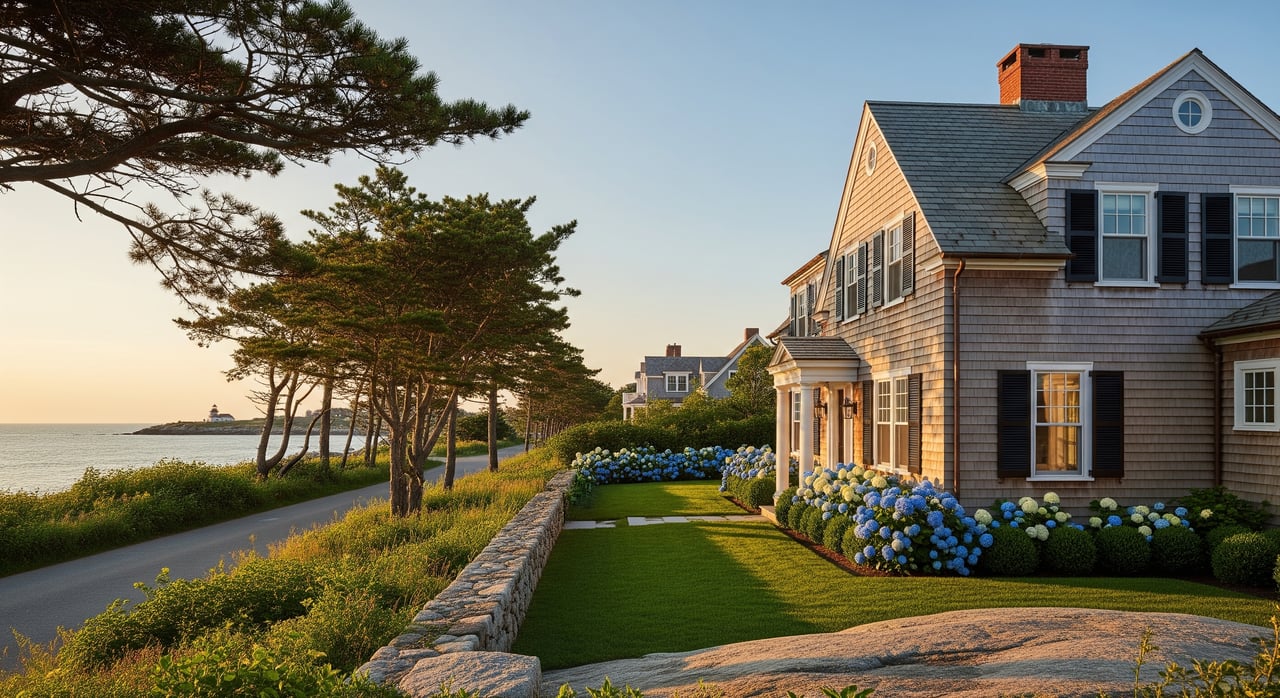
You will find a classic coastal Maine mix of housing. Near the village are 19th and early 20th‑century homes on walkable blocks, while mid‑century properties and newer subdivisions spread outward with larger lots and a more private feel. Waterfront and near‑water neighborhoods are prized for access and views, and some properties include docks or moorings.
Demand is influenced by the town’s schools, coastal setting, and easy access to Portland. Prices tend to run higher than statewide averages, especially for waterfront or homes close to the village. Inventory shifts seasonally, so it helps to monitor listings and prepare your financing early if you plan to move quickly on the right home.
What to know when you buy
Coastal and riverfront towns come with a few extra layers of due diligence. A strong plan up front will help you move confidently.
- Flood zones and insurance: Check FEMA flood maps for any property near the coast or Royal River. Elevation and flood history affect insurance and future costs. Use the FEMA Flood Map Service Center to review the most current data.
- Shoreland zoning: Tree removal, expansions, and shorefront work are regulated by state and local rules. Review Maine shoreland zoning guidance through the Maine Department of Environmental Protection and confirm specifics with town code enforcement.
- Septic vs. sewer: Identify whether a property is on sewer or a private septic system. For septic, learn the system’s age and service history. Replacement can be a significant expense.
- Historic and village considerations: If you plan to renovate in historic or village areas, ask about local design review or historic designations that may affect plans.
- Property taxes and assessments: Compare current assessments and tax rates, and ask about any special assessments that might apply to your street or district.
- Heating and utilities: Confirm fuel type, delivery logistics, and typical winter usage. Many owners now consider heat pumps as part of efficiency upgrades.
- Harbor rules and moorings: If boating access is essential, verify mooring availability, waitlists, and fees with the town’s harbormaster via the Town of Yarmouth.
Is Yarmouth a fit for you?
Choose Yarmouth if you want a coastal town with a genuine village center, a practical commute to Portland, and a lifestyle that flows with the seasons. You will have everyday conveniences close by, access to Casco Bay and the Royal River, and neighborhoods that range from historic streets to newer, wooded cul‑de‑sacs.
If you would like a local perspective as you narrow your search, we are here to help. Our team understands shoreland rules, septic questions, and how waterfront features affect value and everyday living.
Ready to explore homes or discuss timing and price strategy? Connect with McFarlane Field Associates for friendly, expert guidance.
FAQs
How long is the commute from Yarmouth to downtown Portland?
- In typical conditions, many drivers make the trip in about 20 to 30 minutes by car, depending on the start and end points and time of day.
Where can I find public waterfront access and mooring rules in Yarmouth?
- Review current facilities, applications, and contacts through the harbormaster pages linked from the Town of Yarmouth website.
How are Yarmouth public schools organized, and where can I see performance data?
- The district operates elementary through high school; visit the Yarmouth School Department and the Maine DOE dashboard for up‑to‑date profiles and metrics.
Does every Yarmouth home have public sewer and water service?
- No, service varies by neighborhood; many homes use private wells and septic systems, so confirm utilities for each property with town resources and your inspector.
Do I need flood insurance for a home near the Royal River or the coast?
- It depends on the property’s location and elevation; check the FEMA Flood Map Service Center and review requirements with your insurer and lender before you buy.