Pricing an oceanfront home in Cape Elizabeth can feel like trying to price the view. The shoreline, the light, the sense of privacy and exposure to the Atlantic all play into what buyers are willing to pay. You want a number that protects your equity without leaving money on the table. In this guide, you’ll learn how the local market behaves, which coastal factors move price up or down, how to approach comps and appraisals, and how to time and present your home for the strongest offers. Let’s dive in.
Why oceanfront pricing is different
Oceanfront listings in Cape Elizabeth are scarce and highly varied. Lot orientation, elevation, frontage type, and shoreline character can create major swings in value between homes that sit just a few properties apart. Public data providers also show different median prices because one or two luxury sales can move a small market. County-level reports show that Greater Portland can shift quickly, and a single top-end closing can skew town medians in any given month. You can see how small samples behave by tracking broader context in reports about county-level market shifts in Greater Portland.
Headlines tell the story too. A single high-profile oceanfront sale, such as a Shore Road estate reportedly trading around 7.6 million, can influence averages well beyond its street. The takeaway is simple: pricing oceanfront here requires a custom approach that respects both luxury demand and thin listing counts.
What drives oceanfront premiums
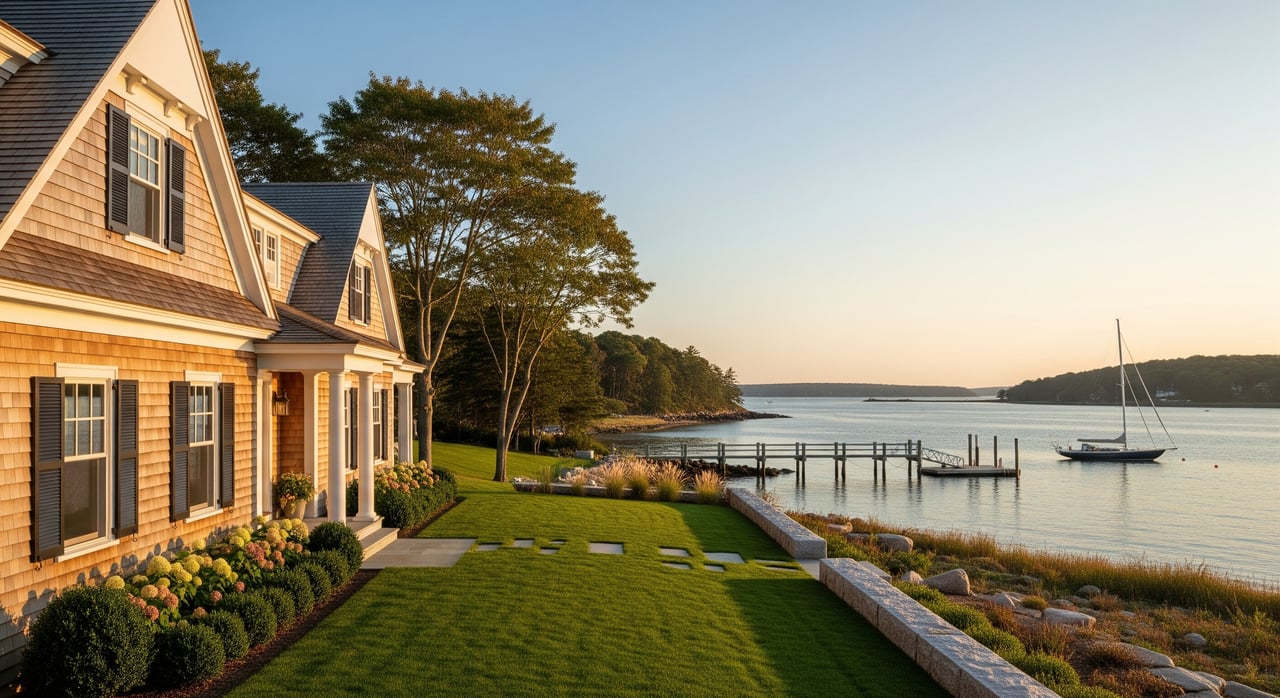
- Water experience. Uninterrupted Atlantic views, private ocean frontage, a sandy cove or safe access to the rocky ledge, and solar orientation meaning sunrise or sunset light can lift value. The stronger the water experience, the higher the buyer pool’s willingness to pay.
- Lifestyle and proximity. Being close to local recreation like Two Lights and Crescent Beach, and within an easy drive to Portland’s dining and culture, raises appeal for year-round and second-home buyers. Explore the setting around Two Lights State Park and Crescent Beach to understand how nearby amenities shape demand.
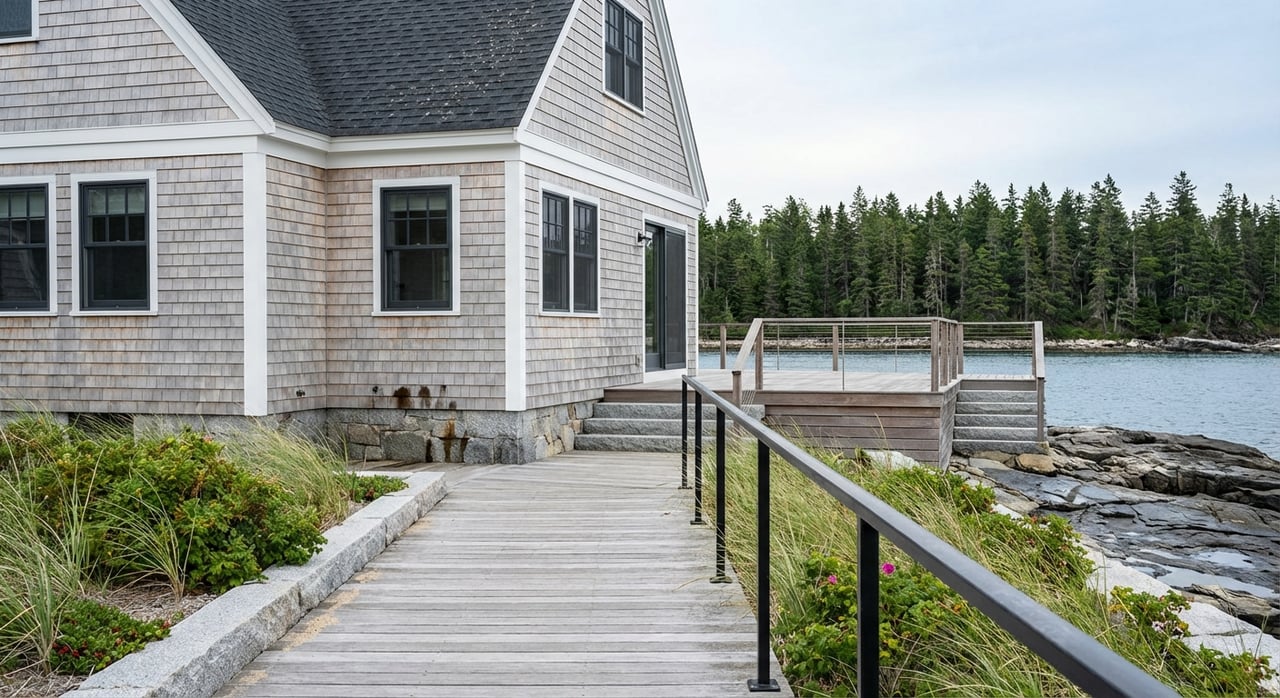
- Condition and turnkey finishes. High-end, move-in-ready interiors and smart outdoor spaces that capture ocean views often justify a meaningful premium.
Risks buyers price in
Flood zones, elevation, and wave exposure
Buyers and lenders look closely at FEMA coastal flood zones, elevation relative to base flood elevation, and likely wave action. If your property sits in a mapped VE or AE zone, insurance and mitigation costs matter. Check your map and, if available, your elevation certificate through the FEMA Flood Map Service Center. Cape Elizabeth participates in the National Flood Insurance Program, and the town can help you understand mapping, permits, and potential credits. Start with Cape Elizabeth floodplain assistance and permitting.
Sea level rise and coastal erosion
State agencies publish coastal inundation and storm scenarios that guide local planning. Awareness of municipal-level discussions and resilience projects can influence marketability over time. You can review state-level context in state guidance on coastal inundation and planning. If your shoreline shows erosion or prior storm impacts, expect buyers to factor that into price unless you provide clear documentation and mitigation details.
Insurance and underwriting constraints
Coastal homes may face higher homeowner premiums, a separate flood policy, or special wind and named-storm deductibles. Underwriters look at roof age, elevation, condition of seawalls, and other mitigation features. Cape Elizabeth’s NFIP participation and past CRS credits can help some owners with flood premiums, but every site is different. Be transparent early with documentation so buyers can confirm coverage and costs.
Shoreland zoning and permits
Shoreland zoning and local performance standards can limit seawalls, riprap, decks, and structural changes close to the water. Nonconforming structures or past variances influence your buyer pool and appraisal outcomes. Gather permits and history in advance, and consult the town’s resources on floodplain assistance and permitting if you are unsure what applies to your property.
Getting comps right for the waterfront
Why comps are hard on the coast
Oceanfront inventory is small. Appraisers and agents often widen the search to nearby coastal neighborhoods, prior-year sales, or different shoreline types and then apply adjustments for view, frontage, elevation, access, and condition. That is normal in a thin luxury segment, but it requires careful documentation.
What appraisers expect to see
Lenders expect at least three credible comparables and market-supported adjustments, not cost-based guesses. For unique sites, the appraiser must explain each adjustment and may use competing-town sales if same-neighborhood comps are scarce. You can reduce friction by preparing a short comps memo and evidence of recent market feedback. To understand how underwriters read reports, see common underwriting guidelines.
Adjustment checklist to watch
- Positive drivers to adjust upward: unobstructed open-ocean views, private frontage versus public access, deeded boat access or mooring rights, direct beach access, well-documented protective features in good condition, rare acreage or park-like lots, and turnkey high-end finishes.
- Negative drivers to adjust downward: location in lower-elevation VE or AE zones, known erosion or damage history, lack of legal water access or uncertain mooring rights, failing or aging shoreline armoring, costly required mitigations, subpar access roads, or documented insurance nonrenewal risk. Adjustments should reflect observed market reaction, not replacement cost.
A smart pricing playbook for oceanfront sellers
Use three pricing bands
- Market-clearing. Competitive pricing that matches recent waterfront comps and current buyer sentiment. This approach drives maximum exposure and can attract cash or out-of-state buyers quickly.
- Target-stretch. Ambitious but defensible pricing that relies on standout features, strong staging, and robust marketing. Expect more days on market and be ready to support value with comps and property documentation.
- Protective. Lower-risk pricing for sellers who value speed and certainty. Useful when you must align with a purchase or relocation timeline.
In early 2026, public sources placed the town’s median sold price around the mid 800s, but medians vary by provider and swing with small samples. That is a reminder to anchor your band to true waterfront comparables rather than townwide aggregates.
Be appraisal-aware to protect your equity
If your list price exceeds common comps, expect the appraisal to test market acceptance. Prepare a comps memo, document showings and offers, and gather shoreline permits, elevation data, and insurance quotes to support value. For complex estates, consider a seller-paid pre-list appraisal or an appraisal addendum to reduce contingency risk. Lenders lean on the logic in the report, so make it easy for appraisers to see the market’s response. Standard underwriting guidelines explain how they weigh adjustments and comparables.
Watch list-to-sale dynamics
In thin luxury markets, well-prepared oceanfront listings can sell at or near list when priced correctly. Overreaching at launch often leads to longer days on market, visible price reductions, and weaker negotiating power. Recent public summaries have shown some months where sold prices came in slightly below list, a useful reminder that buyers are tracking value closely.
Timing and launch strategy
Lean into seasonality
Buyer activity in Cape Elizabeth and Greater Portland typically rises in spring and early summer. Weather helps, outdoor living areas shine, and the coastline photographs beautifully. If you can, plan a spring or early-summer launch and capture fresh photography when the property shows its best.
Consider the buyer mix
The 1 million plus segment in Casco Bay often includes a higher share of cash and out-of-state buyers. That can support strong outcomes for rare oceanfront offerings, but it also heightens sensitivity to property condition, insurability, and documentation. Clear, thorough disclosures help those buyers move with confidence.
Staging and media that move price
High-end buyers respond to thoughtful presentation. Industry research indicates that staging can raise offers and reduce time on market. Review industry research on staging outcomes as you plan your prep.
- Focus rooms. The living room, kitchen, and primary suite typically deliver the best staging ROI. For oceanfront homes, also elevate decks, terraces, and yard vignettes that frame the water.
- Visual storytelling. Use professional photography, floor plans, and drone or aerial media to show the site, orientation, and approach. Coastal light is unique, so choose a photographer with relevant experience. For aerials, use operators who understand local airspace rules.
Disclosures, inspections, and documents to gather
Maine’s seller disclosure basics
Maine law requires a written property disclosure that covers systems, water and waste details, and known material defects. Timing matters, and late delivery can affect buyer rights. Review Maine’s property disclosure law and plan your paperwork early.
Flood, shoreline, and permits
Collect flood hazard permits, DEP or shoreline permits, elevation certificates, and documentation of any seawall or shoreline work. These records influence underwriting and insurance quotes. Start with the town’s floodplain assistance and permitting page and confirm mapping on the FEMA Flood Map Service Center.
Pre-list inspections and proofs
Consider a pre-list home inspection and, where applicable, a septic inspection. Gather roof, mechanical, and contractor service records, plus written estimates for known issues. If your home is in a mapped flood zone, verify or obtain an elevation certificate and a recent flood insurance renewal or quote so buyers can underwrite the home confidently.
Your oceanfront pricing checklist
- Assemble: deed and shoreline easements, permit history, elevation certificate, insurance renewals or quotes, septic records, and recent contractor estimates.
- Present: professional staging in the living room, kitchen, and primary suite; tidy landscaping and curb appeal; pressure wash and paint touchups; high-quality photography, floor plans, and drone media.
- Price: build a short comps memo with 3 to 5 well-argued comparables and clear adjustments for view, frontage, elevation, and access.
- Time it: plan for a spring or early-summer launch when possible, and allow 4 to 8 weeks for prep, photography, staging, and targeted outreach to regional and out-of-state buyer channels.
If you want tailored guidance for your shoreline, neighbor set, and site characteristics, we are here to help. Our team lives and works in Cape Elizabeth, and we bring decades of oceanfront experience to every listing plan. Reach out to McFarlane Field Associates to talk timing, pricing, and a custom prep roadmap for your home.
FAQs
What makes Cape Elizabeth oceanfront worth more than inland homes?
- Premiums come from uninterrupted ocean views, private or direct water access, higher-demand locations near parks and Portland, and turnkey condition that lets buyers enjoy the coast on day one.
How do flood zones affect my sale price and buyer underwriting?
- Properties in VE or AE zones often carry higher insurance costs and stricter lender review, so buyers may discount price unless you provide elevation data, mitigation details, and clear insurance documentation.
When is the best time to list a Cape Elizabeth waterfront home?
- Spring and early summer typically maximize buyer activity and show off outdoor living spaces and ocean light, which can improve photos, turnout, and offers.
How do appraisers handle unique waterfront features?
- They expand the comp set, make market-supported adjustments for view, frontage, elevation, and access, and must clearly explain each adjustment to satisfy lender guidelines.
Should I order a pre-list appraisal or inspection for an oceanfront listing?
- For complex or top-tier properties, a pre-list appraisal and inspections can reduce appraisal and repair surprises, support a stretch price, and speed negotiations.
How can I address buyer concerns about sea level rise and erosion?
- Share permits, shoreline work records, elevation certificates, insurance quotes, and any engineer or contractor assessments so buyers can evaluate long-term risk with confidence.